Categories
Blogs

Key Factors That Affect RF Shield Box Performance

Table of Contents

  1. Why RF Shielding Matters for Accurate Testing
  2. Shielding Effectiveness and Isolation Levels in an RF Shield Box
  3. Leakage Points and Mechanical Design
  4. Internal Absorbers and Signal Control
  5. Frequency Range and Application Needs
  6. Interface Design and Connectivity
  7. Build Quality and Materials
  8. Automation and Repeatability
  9. Thermal Management
  10. Size and Performance Balance
  11. Choosing the Right RF Shield Box for Reliable Testing
  12. Frequently Asked Questions

In wireless testing, results must be accurate, repeatable, and free from external interference. However, external electromagnetic interference (EMI) can impact measurements at any time. Because of this, engineers use RF shielding to control the test environment when working with an RF shield box.

An RF shield box attenuates unwanted signals and reduces noise from nearby sources. As a result, testing becomes more reliable and consistent. This is important during development, validation, and production testing.

At the same time, not every enclosure performs in the same way. Many small design details affect its shielding effectiveness and isolation performance. Therefore, understanding RF shield box performance factors helps engineers make better design and selection decisions.

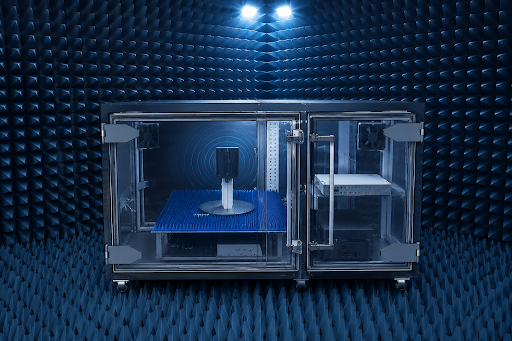
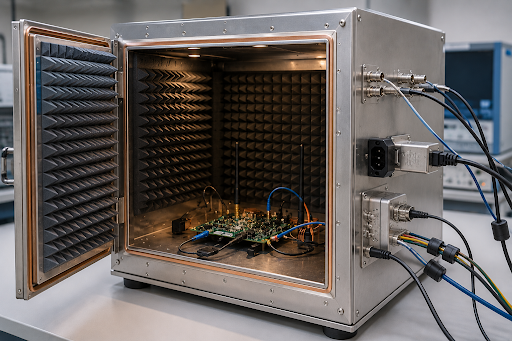
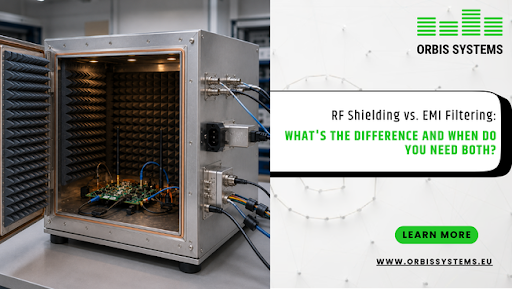
RF Shield Box

Key Takeaways

  • RF shielding helps maintain accurate and repeatable testing by attenuating external electromagnetic interference, so results remain reliable.
  • Strong isolation in an RF shield box ensures stable measurements by preventing unwanted signals from entering or escaping the enclosure.
  • Leakage points can significantly reduce performance, as even small gaps or seams allow signals to interfere with testing.
  • Internal absorbers help control reflections and reduce standing waves, improving measurement consistency.
  • Good interface design, including proper filtering and feedthroughs, prevents leakage through cables and connections.
  • High build quality supports long-term performance by maintaining proper electrical contact and shielding integrity.
  • Effective thermal management keeps test conditions stable, minimizing the impact of temperature on DUT performance and material properties.

Why RF Shielding Matters for Accurate Testing

Wireless devices operate in environments where multiple signals and sources of electromagnetic interference (EMI) are present. As a result, testing without proper shielding can lead to inaccurate or inconsistent results. Therefore, RF shielding is essential to minimize external interference.

A well-designed RF shielded test enclosure attenuates external signals and provides high isolation, improving measurement accuracy. This enables engineers to achieve stable, repeatable, and reliable test results, highlighting the importance of RF shielding in modern testing environments.

Shielding Effectiveness and Isolation Levels in an RF Shield Box

Shielding effectiveness (SE) indicates how well an RF shield box attenuates external electromagnetic signals. It is measured in decibels (dB), where higher values represent greater attenuation.

Isolation refers to the overall ability of the enclosure to prevent unwanted signals from entering or escaping. If isolation is insufficient, external interference can affect the test environment, leading to variations in measurement results.

Because of this, shielding effectiveness and isolation are among the most critical performance factors of an RF shield box.

Engineers should consider:

  • Required attenuation level (dB)
  • Performance across the operating frequency range
  • Stability and repeatability during repeated tests

Leakage Points and Mechanical Design

Leakage points significantly reduce shielding performance, as even small gaps or discontinuities can allow electromagnetic signals to leak through or couple into the enclosure. Therefore, proper mechanical design is essential.

Common leakage areas include:

  • Door edges (requiring RF gaskets)
  • Panel joints and seams
  • Cable entry points and feedthrough interfaces

If these areas are not properly sealed, external interference can enter the enclosure, leading to inaccurate and inconsistent test results. As a result, overall shielding effectiveness and isolation performance can degrade.

Internal Absorbers and Signal Control

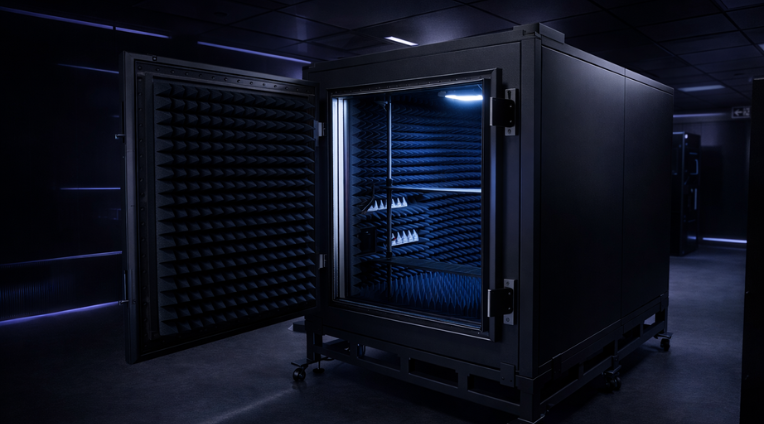
Inside an RF enclosure, electromagnetic signals can reflect from internal metallic surfaces. These reflections can create standing waves and multipath effects, which may impact measurement accuracy. Therefore, RF absorbers are used.

Absorbers reduce reflections and help control the internal electromagnetic environment, improving measurement stability and consistency.

This is especially important in RF shield boxes and isolation chambers, where controlled and predictable signal behavior is required for accurate testing.

Frequency Range and Application Needs

Each wireless device operates within a specific frequency range, and the RF shield box must provide adequate shielding effectiveness across that range.

Shielding performance varies with frequency; higher frequencies are more sensitive to small leakage paths, while lower frequencies can be more difficult to attenuate due to longer wavelengths. If the enclosure does not perform consistently across the required frequency range, measurement results may become unreliable.

Therefore, selecting an RF shield box that meets the shielding requirements for the intended frequency range and application is essential.

Interface Design and Connectivity

RF test systems require multiple connections, such as RF ports, USB, Ethernet, and power lines. However, each interface can act as a potential leakage path if not properly designed.

Therefore, interface design must preserve shielding integrity by minimizing signal leakage through connectors, cables, and feedthroughs. This is typically achieved using properly shielded connectors, filtered feedthroughs, and good grounding practices.

A well-designed RF shield box ensures that external connections do not degrade shielding effectiveness and isolation, making interface design a critical factor in overall RF shield box performance.

Build Quality and Materials

The materials used in an RF enclosure have a direct impact on its shielding performance. High-quality construction using conductive materials such as aluminum or steel provides better attenuation and longer service life.

Important factors include:

  • High-conductivity materials and appropriate thickness
  • Robust mechanical structure
  • Proper sealing with good electrical continuity (e.g., RF gaskets)

Good construction quality helps maintain consistent shielding effectiveness over time by preventing degradation due to wear, corrosion, or mechanical stress. This is important for both fixed installations and portable RF shielded boxes used in varying environments.

Automation and Repeatability

In many RF test setups, measurements are automated to improve efficiency and consistency. Therefore, the RF shield box should be compatible with automation systems such as robotic handling or automated test equipment (ATE).

Automation helps increase test speed and reduces manual errors, resulting in more consistent and repeatable measurements.

Repeatability is critical in RF testing. Variations in factors such as DUT positioning, cable routing, or door closure can affect results. Therefore, stable mechanical design, precise positioning, and controlled operation are necessary to ensure consistent test conditions.

While automation does not directly improve shielding effectiveness, it plays a key role in maintaining reliable and repeatable test performance.

Thermal Management

Devices under test (DUTs) generate heat during operation, especially during RF testing. If this heat is not properly managed, it can lead to temperature-induced variations in device performance, affecting measurement accuracy.

Proper thermal management helps maintain stable test conditions by controlling temperature and preventing overheating. This ensures more consistent and reliable measurement results.

In RF shield boxes, thermal solutions such as fans or ventilation must be carefully designed to avoid introducing additional leakage paths, ensuring that shielding effectiveness is not compromised.

Size and Performance Balance

The size of an RF enclosure affects both usability and shielding performance. Larger enclosures provide more space for devices and test setups, but they are more challenging to shield effectively due to increased seams, joints, and potential leakage paths.

Smaller enclosures are generally easier to seal and maintain high shielding effectiveness, but they may limit the size of the device under test (DUT) and test configurations.

Engineers should consider factors such as DUT size, required isolation level, and available space when selecting an enclosure. Therefore, achieving the right balance between size and shielding performance is an important aspect of RF shield box design.

Choosing the Right RF Shield Box for Reliable Testing

Selecting the right RF shield box is critical because shielding performance directly affects measurement accuracy, repeatability, and consistency. Multiple factors, including mechanical design, materials, interface design, and thermal management, contribute to overall performance.

When choosing an RF shield box, engineers should consider key parameters such as shielding effectiveness (isolation level), leakage control, frequency range, and build quality. A well-designed enclosure provides a controlled electromagnetic environment, enabling accurate and repeatable test results.

This highlights the importance of RF shielding in ensuring reliable wireless testing.

Frequently Asked Questions

1. What is an RF shield box used for?

An RF shield box is used to attenuate external radio signals during testing. It creates a controlled environment where electromagnetic interference is minimized. This enables engineers to perform accurate and repeatable tests in both development and production environments.

2. Why is RF shielding important in testing?

RF shielding is important because external electromagnetic interference (EMI) can affect measurements. Even small levels of interference can introduce errors or variability. Therefore, shielding helps maintain stable and repeatable test conditions, allowing engineers to trust the measurement data.

3. What are the key RF shield box performance factors?

The key factors include shielding effectiveness (SE), leakage control, internal absorbers, interface design, and thermal stability. In addition, frequency range, build quality, and mechanical design also play important roles. Together, these factors ensure accurate and consistent RF testing.

4. How do leakage points affect RF enclosure testing?

Leakage points allow electromagnetic signals to leak into or out of the enclosure, reducing isolation and overall shielding performance. Common areas include doors, seams, joints, and cable entry points. Therefore, proper sealing using RF gaskets and well-designed interfaces is essential for accurate testing.

5. How do I choose the right RF shield box?

To choose the right RF shield box, consider factors such as frequency range, required shielding effectiveness (isolation level), device size, and interface/connectivity needs. In addition, evaluate build quality and compatibility with your test setup. This ensures reliable, accurate, and repeatable testing results.

Categories
Blogs

How Signal Switching Units Make RF Testing Faster and Easier

Table of Contents

  1. Understanding RF Testing Challenges
  2. What Are Signal Switching Units
  3. How Automated RF Switching Improves Efficiency
  4. Role of Programmable SSUs in Test Environments
  5. Benefits of Signal Routing Units in RF Testing
  6. Key Features That Enable Faster Testing
  7. How to Simplify RF Testing with Structured Switching
  8. Key Takeaways
  9. FAQs

RF testing has become increasingly complex as modern devices support multiple frequency bands and technologies. Test setups often involve several instruments, including signal generators, spectrum analyzers, and network analyzers. As a result, engineers spend significant time managing RF connections, which can slow down testing and increase the risk of human error. This complexity is especially significant in high-frequency applications such as 5G, where signal paths must be tightly controlled.

In many cases, manual switching between signal paths becomes inefficient and inconsistent. Frequent reconnections can introduce variability due to connector wear, impedance mismatch, and calibration disturbances. This directly affects measurement accuracy and repeatability.

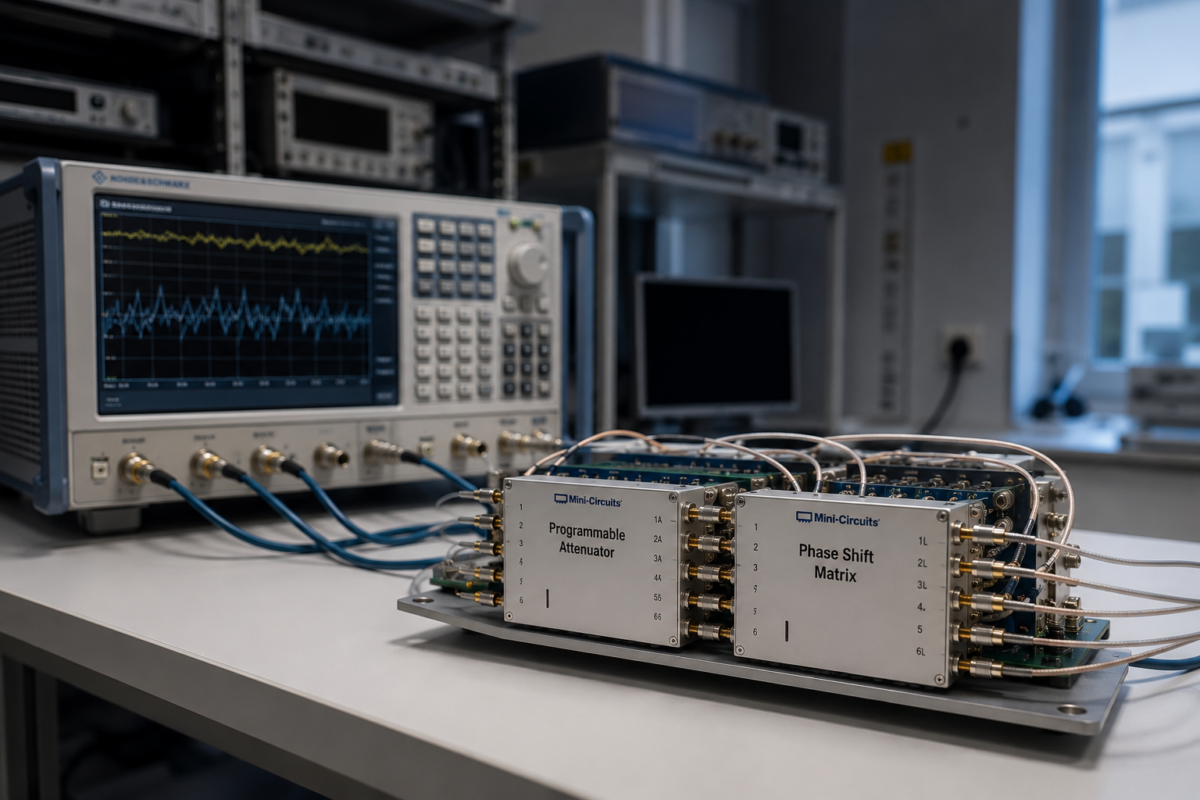
RF Signal Switching Units (SSUs), often implemented as RF switch matrices, provide a structured and automated way to control signal routing between instruments and devices under test (DUT). These systems enable programmable, software-controlled switching via standard interfaces, allowing engineers to manage complex test paths efficiently while maintaining signal integrity (e.g., low insertion loss, high isolation, and low return loss).

By reducing manual intervention, SSUs improve testing speed, ensure consistent signal paths, and support reliable, repeatable measurements across different test conditions.

How Signal Switching Units Make RF Testing Faster and Easier

Key Takeaways

  • RF switching units enable controlled and repeatable signal routing
  • Automated switching reduces manual errors and improves efficiency
  • Programmable SSUs support flexible and scalable test setups
  • Proper switching design helps maintain signal integrity (low loss, high isolation)
  • Structured switching improves speed, accuracy, and reliability

Understanding RF Testing Challenges

RF testing involves multiple repeated measurements across different signal paths and operating conditions. Engineers must route signals between instruments and devices under test (DUT), often performing frequency sweeps and multi-port measurements. As a result, the process can become time-consuming and complex. 

Manual cable changes are one of the main challenges. Each time a connection is modified, it increases setup time and introduces the risk of incorrect routing. In addition, repeated reconnections can lead to connector wear, impedance mismatch, and variations in electrical signal paths, which directly affect measurement accuracy.

Repeated manual operations can also reduce test consistency. Even small variations in cable connections, positioning, or contact quality can impact signal integrity (e.g., insertion loss and return loss) and lead to differences in results across repeated tests.

To improve efficiency, reducing manual intervention is essential. At the same time, maintaining controlled and consistent signal paths is critical for ensuring accurate, stable, and repeatable RF measurements.

What Are Signal Switching Units

RF Signal Switching Units (SSUs) are systems used to control and manage RF signal paths. They provide a structured way to connect test instruments and devices under test (DUT), enabling efficient routing of signals within a test setup.

Instead of manually changing cables, engineers can switch signals electronically through the system. This reduces setup time, minimizes the risk of connection errors, and improves overall reliability.

In complex test environments, SSUs are used to manage multiple signal paths and test configurations. These systems enable fast and controlled switching between paths while maintaining consistent signal conditions. As a result, engineers can perform testing more efficiently and achieve reliable, repeatable results.

How Automated RF Switching Improves Efficiency

Automation improves RF testing by reducing the need for manual intervention during signal routing. Automated RF switching allows engineers to change signal paths electronically, eliminating the need for repeated cable reconnections. This reduces effort, minimizes human error, and saves time.

There are several key benefits of automated RF switching:

  • Faster switching between signal paths
  • Reduced manual effort and setup time
  • Improved repeatability through consistent signal paths
  • Faster test execution with minimal interruption

By automating signal routing, RF switching systems enable controlled and repeatable test sequences. This ensures consistent signal conditions (e.g., stable insertion loss and impedance) across measurements, helping maintain measurement accuracy and long-term reliability. As a result, overall test efficiency and throughput are significantly improved.

Role of Programmable SSUs in Test Environments

Programmable RF Signal Switching Units (SSUs) provide enhanced control over signal routing in RF test environments. Engineers can manage and configure signal paths through software interfaces, reducing the need for manual cable changes in most cases.

These systems support multiple test configurations, allowing engineers to switch between setups quickly and efficiently. By enabling controlled and repeatable signal routing, programmable SSUs help maintain consistent signal conditions (e.g., stable insertion loss and impedance) across different tests.

As a result, programmable SSUs are valuable in both development and production environments. They reduce setup time, improve test repeatability, and simplify the management of complex RF test systems.

Benefits of Signal Routing Units in RF Testing

Signal routing units help organize complex RF test systems by managing multiple signal paths and ensuring accurate and repeatable routing between instruments and devices under test. This improves both efficiency and reliability in test environments.

Key benefits include:

  • Better control of signal flow
  • Minimized and consistent insertion loss
  • Repeatable and stable signal conditions during testing

In advanced RF and telecom applications, RF switching modules and telecom signal switch modules are commonly used in systems where measurement accuracy is critical.

As a result, engineers can achieve consistent and repeatable results even in complex RF test environments.

Key Features That Enable Faster Testing

The performance of RF signal switching units depends on several key features that influence both switching speed and signal integrity (e.g., insertion loss and isolation).

Important features include:

  • Low insertion loss to minimize signal attenuation
  • High isolation to reduce signal leakage and crosstalk
  • Fast switching speed for quick transitions between signal paths
  • Modular design for easy expansion and flexible test configurations

These features enable RF signal switching systems to improve test efficiency while maintaining measurement accuracy. In addition, they help reduce delays and support faster test execution.

How to Simplify RF Testing with Structured Switching

Simplifying RF testing requires a structured approach to managing signal paths. When signal routing is clearly defined and controlled, test setups become easier to configure and maintain.

Some effective steps include:

  • Use a centralized RF switching system to manage all signal paths
  • Apply automation to reduce manual intervention and setup time
  • Use programmable SSUs to enable flexible and repeatable test configurations

By implementing structured switching, engineers can reduce setup time, minimize routing errors, and improve test consistency. Controlled signal paths also help maintain stable measurement conditions (e.g., consistent insertion loss and impedance matching), leading to more reliable and repeatable results.

Therefore, RF signal switching units provide a practical and efficient solution for simplifying complex RF testing environments.

Improving RF Testing with Better Signal Control

RF testing is becoming increasingly complex as modern devices support multiple frequency bands and technologies. As a result, efficient signal management has become critical. Manual processes take more time and can affect measurement accuracy and repeatability.

RF signal switching units provide a structured solution to this challenge by enabling controlled signal routing between instruments and devices under test. This reduces manual effort and improves testing speed.

In addition, automation and programmable control support faster and more consistent test execution. By maintaining controlled and repeatable signal paths, these systems help ensure stable measurement conditions (e.g., consistent insertion loss and impedance matching).

As a result, RF test systems become easier to manage, while overall efficiency and reliability are significantly improved in modern RF environments.

Frequently Asked Questions

1. What are signal switching units used for in RF testing

Signal switching units are used to control RF signal paths between test equipment and devices under test. They reduce the need for manual cable changes, improving testing speed and minimizing the risk of errors. They also help maintain consistent and repeatable results across multiple tests.

2. How does automated RF switching improve testing efficiency

Automated RF switching allows systems to change signal paths with minimal manual intervention. This reduces delays and saves time. In addition, it improves repeatability because the same switching process is followed each time, making testing faster and more reliable.

3. What makes RF testing faster in modern environments

RF testing becomes faster when manual work is reduced, and signal paths are managed in a structured way. Systems such as RF signal switching units enable efficient routing, while automation reduces delays and improves workflow. This leads to shorter and more consistent testing cycles.

4. How do programmable SSUs support flexible testing

Programmable SSUs allow engineers to control signal routing through software interfaces. This enables quick changes without frequent physical adjustments, making testing more flexible. Engineers can also switch easily between different test configurations.

5. How can RF testing be simplified in complex environments

RF testing can be simplified by using structured systems such as RF signal switching units and automated switching solutions. These systems reduce manual effort, improve organization, and support consistent signal paths, making complex test environments easier to manage.

Categories
Blogs

CEO Visit to Orbis Systems Chennai Office: Driving Strategy, Innovation, and Growth

A truly inspiring week that will stay with us for a long time. From March 23rd to 27th, the Orbis Systems Chennai office had the privilege of hosting our CEO Mr. Eero Rossi for a visit that brought together leadership alignment, strategic clarity, and renewed energy across teams. This visit was not just a routine engagement but a significant milestone in strengthening our vision for innovation, digital transformation, and global growth.

CEO Visit to Orbis Systems Chennai Office: Driving Strategy, Innovation, and Growth

Strengthening Strategic Alignment Across Teams

One of the most important outcomes of the CEO visit to the Chennai office was the strong alignment across key business priorities. Through focused discussions with leadership and teams, there was a clear emphasis on ensuring that every function is aligned with the company’s long term strategy.

In a rapidly evolving business environment, strategic alignment plays a critical role in driving consistent growth. The sessions enabled teams to better understand their role in contributing to organizational success, ensuring clarity in execution and decision making.

Defining a Clear Roadmap for Innovation and Growth

A major highlight of the visit was the roadmap discussions centered around innovation, digital transformation, and scalability. These discussions provided a clear direction for the future, helping teams align their efforts toward achieving business goals.

By focusing on actionable insights rather than broad concepts, the leadership team ensured that the roadmap is practical, achievable, and impactful. This clarity is essential for organizations looking to stay competitive in a dynamic global market.

Enhancing Collaboration and Customer Experience

Collaboration emerged as a key theme throughout the visit. There was a strong emphasis on improving internal communication and cross functional teamwork to enhance overall efficiency.

At the same time, customer experience was highlighted as a critical driver of success. By aligning business processes and solutions around customer needs, Orbis Systems continues to strengthen its commitment to delivering value and building long term relationships.

Reinforcing Market Positioning and Global Synergy

As a global organization, maintaining consistency in market positioning and brand messaging is essential. The CEO visit reinforced the importance of global synergy in driving sustainable growth.

The Chennai office plays a vital role in contributing to the broader global strategy. The discussions highlighted how regional teams can align with global objectives to create a unified approach to market expansion and customer engagement.

Leadership Alignment for Stronger Execution

Leadership alignment was another key focus area during the visit. Bringing leadership teams together under a unified vision ensures better coordination, faster decision making, and more effective execution.

When leadership is aligned, it creates a strong foundation for the entire organization. This alignment enables teams to work with confidence, clarity, and a shared sense of purpose.

Engaging All Hands Session with the Team

One of the standout moments of the week was the all hands session, where employees had the opportunity to gain insights into the company’s future plans and business outlook.

This session served as an important platform for communication and engagement. It helped connect every team member to the larger vision of Orbis Systems, reinforcing a sense of belonging and shared responsibility.

Building Culture Through Human Connection

Beyond strategy and planning, what truly made the CEO visit special was the human connection. The warmth, humour, and authenticity brought into every interaction created a positive and inspiring work environment.

Such moments play a crucial role in building a strong organizational culture. They foster trust, encourage open communication, and strengthen relationships across teams.

A Lasting Impact on the Chennai Team

The impact of the CEO visit to the Orbis Systems Chennai office will continue to be felt long after the week concluded. The visit has energized the team, strengthened alignment, and provided a clear direction for the future.

More importantly, it has inspired teams to think bigger, move faster, and aim higher in everything they do.

Looking Ahead to Future Milestones

With renewed clarity and momentum, the Chennai team is well positioned to contribute to the next phase of growth. The focus on innovation, collaboration, and customer experience will continue to drive success in the coming months.

We extend our sincere thanks for an unforgettable visit and for continuously inspiring us to push boundaries and achieve greater milestones.

Categories
Blogs

How to Achieve Consistent Results in Complex Test Systems

Table of Contents

  1. Why Consistency Is Important in Testing
  2. Understanding Complex Test Systems
  3. Causes of Inconsistent Results
  4. Role of RF Test System Design
  5. Importance of Test System Automation
  6. Benefits of Integrated Test Systems
  7. Ways to Improve Test System Accuracy
  8. Achieving Stable and Repeatable Results
  9. FAQs

Why Consistency Is Important in Testing

In any engineering process, testing is a critical step. If test results are not consistent (repeatable), it becomes difficult to trust the outcome. This issue is more common in complex test systems, where multiple instruments, software, and processes interact. Even small variations in setup, environment, or configuration can affect the results.

Therefore, teams need to focus on controlled and standardized testing methods. Consistent and repeatable results help reduce measurement uncertainty, minimize errors, and save time. They also contribute to improved product quality and reliability. When the same test produces the same result under the same conditions, it builds confidence in the test system.

This blog explains how to improve test system repeatability and maintain reliable performance. It also discusses how system design, automation, and integration contribute to consistent and dependable testing.

How to Achieve Consistent Results in Complex Test Systems

Key Takeaways

  • Complex test systems require controlled and standardized processes to ensure repeatability and reproducibility
  • Manual intervention and poor system integration can introduce measurement variation and human error
  • A well-designed RF test system supports stable and low-uncertainty measurements
  • Test system automation improves repeatability, reduces operator dependency, and minimizes errors
  • Proper system integration and validation improve synchronization and data reliability
  • Regular calibration and verification checks help maintain long-term measurement accuracy and system performance

Understanding Complex Test Systems

Complex test systems consist of multiple instruments, software tools, and processes working together to evaluate electronic and RF products. These systems typically include signal sources, measurement instruments (such as spectrum analyzers or power meters), switching networks, and control software. 

Because many components are interconnected, overall system performance depends on the stability of each element. Variations in instruments, cabling, environmental conditions, or configuration can affect the final measurement results.

These systems are widely used in both development and production environments, where repeatability and reproducibility are critical. The same test setup must deliver consistent results under defined conditions.

A well-defined test process, proper system design, and stable configuration help minimize variation. When combined with calibration and automation, the system can deliver both accurate and repeatable measurements, ensuring reliable test outcomes.

Causes of Inconsistent Results

There are several reasons why complex test systems may produce variation in measurement results. Understanding these factors helps improve system performance, reduce measurement uncertainty, and ensure reliability.

  • First, manual intervention can introduce variation. Different operators may follow slightly different procedures, leading to inconsistent outcomes.
  • Second, environmental conditions can significantly affect testing. Variations in temperature, external noise, and signal interference can impact instrument performance and overall signal integrity.
  • Third, improper connections between system components can create measurement errors. Issues such as loose connectors, cable losses, or impedance mismatch can degrade signal quality and influence results.
  • Fourth, a lack of proper calibration reduces measurement accuracy. Test instruments must be regularly calibrated and verified to ensure correct and traceable readings.
  • Fifth, unclear or non-standardized processes can lead to inconsistent execution. When test procedures are not well defined, both repeatability and reproducibility are affected.
  • Additionally, instrument drift over time can contribute to measurement variation if not properly monitored and managed.

Therefore, controlling these factors is essential to achieve reliable, accurate, and repeatable test system performance.

Role of RF Test System Design

A well-designed RF test system is essential for achieving accurate and stable measurements. Proper system design helps minimize variation and maintain signal integrity throughout the test setup.

First, shielding is important to reduce external electromagnetic interference (EMI). This helps protect the signal from unwanted noise during testing.

Next, the signal path should be simple and well-defined. A shorter and more direct path reduces insertion loss, minimizes impedance mismatch, and improves overall measurement reliability.

Using standardized setups across different test stations also helps maintain consistency. When systems are configured in the same way, results become more comparable and reproducible.

In addition, using high-quality components, such as low-loss cables, stable connectors, and reliable instruments, improves system stability and reduces measurement drift over time.

As a result, a well-designed RF test system enhances measurement accuracy and supports repeatable and reproducible results.

Importance of Test System Automation

An automated test systems helps reduce variation in testing by minimizing manual intervention. It ensures that each test follows the same defined procedure, improving consistency.

Automation enables consistent execution of test sequences, which improves repeatability and reduces operator-dependent errors. It also increases efficiency, allowing tests to run faster without compromising measurement accuracy.

Another key benefit is improved data management. Automated systems record and store results in a structured and traceable format, making it easier to analyze performance over time.

In addition, automation supports system integration by coordinating instruments, software, and switching elements in a controlled and synchronized manner.

Therefore, automation plays a critical role in achieving reliable, repeatable, and reliable test system performance.

Benefits of Integrated Test Systems

Integration is essential for managing complex test setups. Integrated test systems connect instruments, software, and control elements into a unified and centrally managed system.

When components are properly integrated, data flows seamlessly between devices. This reduces communication errors, minimizes delays, and improves overall system efficiency.

A well-integrated system also enables better monitoring and diagnostics. Engineers can observe system behavior in real time and make necessary adjustments quickly.

Moreover, automation and integration work together to ensure all system components operate in a synchronized and structured manner.

In addition, system integration testing verifies that all components function correctly as a complete system. This helps identify interface issues and performance gaps early in the process.

As a result, integration improves system stability, enhances coordination, and supports consistent and reliable test results.

Ways to Improve Test System Accuracy

Improving accuracy and consistency in complex test systems requires clear and controlled processes. The following steps help reduce measurement uncertainty and ensure reliable results over time:

Use standard procedures – Define clear and documented test steps so that all operators follow the same method, improving repeatability and reproducibility.

Maintain regular calibration – Calibrate and verify instruments at defined intervals to ensure accurate and traceable measurements.

Control the environment – Maintain stable temperature and minimize noise and interference to reduce measurement variation.

Apply test system automation – Use automation to reduce manual errors, ensure consistent execution, and improve repeatability.

Focus on integration – Use well-integrated test systems to ensure proper communication and synchronization between all components.

Monitor system performance – Continuously track test results to identify drift, detect anomalies, and maintain long-term reliability.

These steps help improve both measurement accuracy and repeatability, supporting stable and dependable test system performance.

Achieving Stable and Repeatable Results

Consistency in complex test systems is essential for reliable and accurate measurements. Without proper control, measurement results may vary, increasing uncertainty and potentially affecting product quality.

Therefore, teams should follow well-defined processes and maintain controlled test conditions. Improving test system performance requires attention to both system design and test workflow.

In addition, the use of test system automation and proper system integration helps reduce manual intervention and improve coordination between components. These approaches ensure that tests are executed in a consistent and repeatable manner.

Over time, a well-managed and controlled test system delivers stable and repeatable results. This supports better engineering decisions, reduces risk, and improves overall product performance.

Frequently Asked Questions

1.What are complex test systems?

Complex test systems are setups that include multiple instruments, software tools, and processes working together. They are used to test electronic and RF products under controlled conditions. Since many components are involved, maintaining repeatability and proper control is important. Without it, measurement results may vary and affect product quality.

2.How can test system accuracy be improved?

To improve test system performance, teams should use clear procedures, perform regular calibration, and control the test environment. In addition, automation helps reduce manual errors, and integration ensures smooth communication between system components. These steps improve both measurement, accuracy, and repeatability.

3.Why is test system automation important?

Test system automation is important because it ensures that each test follows the same defined process. It reduces manual errors, improves repeatability, and increases efficiency. It also enables better data recording and traceability, supporting consistent and reliable testing.

4.What is automated test system integration?

Test system integration refers to connecting all parts of the test setup, such as instruments, software, and switching systems, and controlling them in a coordinated way. This allows the system to function as a unified whole, improving coordination, reducing delays, and supporting consistent and repeatable results.

5.How do integrated test systems improve performance?

Integrated test systems improve performance by enabling seamless communication and synchronization between instruments, software, and processes. This allows better control, monitoring, and data flow. In addition, system integration testing ensures that all components work correctly together, helping detect issues early and supporting consistent results.

Categories
Blogs

How Custom Test Fixtures Improve Accuracy and Efficiency in Electronics Testing

Table of Contents

  1. The Need for Reliable Testing in Electronics
  2. What Custom Test Fixtures Are
  3. Common Problems in Electronics Testing
  4. How Custom RF Test Fixtures Improve Accuracy
  5. How Automated Test Fixture Solutions Improve Efficiency
  6. Importance of High-Frequency Test Fixture Development
  7. Integration with Test Systems
  8. Improving Testing with the Right Setup
  9. Frequently Asked Questions

The Need for Reliable Testing in Electronics

Electronics testing has become increasingly demanding as devices continue to shrink in size, operate at higher speeds, and integrate more complex functionalities. As a result, high measurement accuracy is required at every stage of testing to ensure the final product performs as intended.

In many cases, teams begin with basic test setups. However, these setups often vary between tests, leading to poor repeatability and increased measurement variation. This inconsistency can cause delays and increase the risk of errors.

To address these challenges, companies use custom RF test fixtures and precision electronics test fixtures. These fixtures provide a mechanically stable and electrically controlled testing environment, ensuring consistent contact and signal paths. In RF applications, they also help maintain controlled impedance and reduce signal reflections. As a result, both measurement accuracy and testing efficiency improve over time.

How Custom Test Fixtures Improve Accuracy and Efficiency in Electronics Testing

What Custom Test Fixtures Are

Custom test fixtures are specialized tools designed to provide mechanical alignment and electrical interfacing for a device under test (DUT). They are developed based on the product design and specific testing requirements.

These fixtures are used across different stages, including development, validation, and production. They create a stable and repeatable setup where the device remains securely positioned and consistently connected during testing.

In addition, test fixtures interface with automated test equipment (ATE) and instrument racks such as oscilloscopes, vector network analyzers, and power supplies forming part of complete test systems and modules. Together, they enable a structured and controlled testing process.

Since each fixture is designed for a specific application, it significantly reduces setup variation and improves contact reliability. This leads to better repeatability and overall measurement reliability.

Common Problems in Electronics Testing

Before using proper test fixtures, many teams face common challenges that affect both the speed and quality of testing.

Manual handling of devices can introduce positional variations, leading to inconsistent contact and changes in signal paths. Even small shifts can impact measurements, especially in high-frequency or high-speed applications. In RF testing, signals are also affected by electromagnetic interference (EMI) and insufficient shielding issues that are specifically addressed by RF Shielded Rooms and RF Shielded Boxes.

In addition, manual setups require frequent adjustments, increasing test time and operator dependency. Repeatability is another major concern, as it becomes difficult to perform the same test under identical conditions, leading to measurement variation and reproducibility issues.

Because of these challenges, transitioning from lab testing to production becomes difficult. A setup that works in a controlled lab environment may not scale effectively to production without standardization and fixture-based testing.

How Custom RF Test Fixtures Improve Accuracy

Accuracy is critical in electronics testing, as reliable measurements are necessary to validate product performance.

Custom RF test fixtures improve accuracy by providing a stable and repeatable test environment. First, they hold the device in a fixed position, ensuring consistent alignment and signal paths for every test. This reduces measurement variation and improves repeatability.

Second, they enhance signal integrity. In RF testing, signals are sensitive to noise, impedance mismatch, and reflections. A well-designed fixture maintains controlled impedance, minimizes signal reflections, and reduces external interference.

Third, they provide stable electrical connections. Unlike manual probing, fixtures ensure consistent contact force and low, stable contact resistance, improving measurement reliability.

Fourth, they support controlled testing conditions. Many RF fixtures are used with shielding and proper grounding to reduce electromagnetic interference (EMI) and external noise.

Because of these advantages, precision electronics test fixtures are widely used in both development and production environments to ensure accurate and repeatable measurements.

How Automated Test Fixture Solutions Improve Efficiency

Efficiency is a key factor in electronics testing, as faster test execution reduces overall time and cost.

Automated test fixture solutions improve efficiency in several ways. First, they reduce manual work by enabling tests to run automatically through software-defined sequences. This minimizes human-induced variability and reduces the risk of errors.

Second, they increase test throughput. Each test follows a predefined sequence without delays between steps, and in some cases, multiple tests can be executed in parallel using switching systems.

Third, automation ensures consistent and repeatable testing. The same process can be executed multiple times without variation, which is essential in high-volume production environments.

In addition, setup time is significantly reduced. Unlike manual testing, automated fixtures maintain consistent positioning and connections, eliminating the need for repeated adjustments.

Finally, when integrated with overall test system design and hardware development, these solutions support scalability from early-stage validation to full production, enabling long-term reuse of the same test platform

Importance of High-Frequency Test Fixture Development

High-frequency testing is more sensitive than standard testing, as small physical and electrical variations can significantly affect measurement results.

This is why high-frequency test fixture development is critical. One key factor is signal attenuation. At high frequencies, signals experience loss due to conductor and dielectric effects. A well-designed fixture minimizes insertion loss and preserves signal integrity.

Another important factor is impedance matching. If there is an impedance mismatch in the signal path, part of the signal is reflected back, leading to errors. Proper fixture design ensures controlled impedance (typically 50Ω), reducing reflections and improving measurement accuracy.

Shielding is also essential. External electromagnetic interference (EMI) can affect measurements, so fixtures are often designed with proper shielding and grounding to reduce external noise.

In addition, the fixture must maintain consistent electrical performance across the required frequency range. This includes stable mechanical design and controlled signal paths to ensure accurate and repeatable results under all conditions.

Because of these factors, high-frequency test fixtures require careful design and optimization to ensure reliable and accurate testing.

Integration with Test Systems

Custom test fixtures deliver maximum value when integrated into a complete test system. Such systems typically include automated test equipment (ATE), electronic test equipment racks, switching systems, and control software.

When these elements are integrated, testing becomes standardized and automated. Test sequences can be executed in a predefined order using software control, and results can be captured and logged automatically for analysis and reporting.

This integration reduces manual intervention, minimizes human-induced variability, and improves measurement repeatability and reliability. It also enables real-time monitoring of test performance, including pass/fail results and statistical trends.

Another key benefit is scalability. The same system can be expanded by adding more test channels, instruments, or switching capabilities as testing requirements grow. In addition, when supported by structured hardware development services, the overall system design becomes more reliable and easier to scale across different testing stages.

By combining custom RF test fixtures with fully integrated test systems, companies can build a stable, efficient, and scalable testing process.

Improving Testing with the Right Setup

Accurate and efficient testing is essential in electronics to ensure reliable product performance. Without a properly designed setup, achieving repeatable and consistent measurements becomes difficult.

Custom test fixtures provide a clear solution by creating a mechanically stable and electrically controlled test environment, ensuring that each test follows the same process and conditions.

By using custom RF test fixtures, precision electronics test fixtures, and automated test fixture solutions, companies can improve both measurement accuracy and test throughput.

In addition, when these fixtures are integrated with complete test systems, they enable scalability and reuse across the product lifecycle, allowing testing processes to remain stable from development through to full production.

Frequently Asked Questions

1. What are custom RF test fixtures used for

Custom RF test fixtures are used to connect devices to test systems in a stable and repeatable manner. They help maintain signal integrity, ensure controlled impedance, and enable accurate RF measurements, where even small variations can impact results.

2. How do precision electronics test fixtures improve testing accuracy

They improve accuracy by providing stable positioning and consistent electrical connections, including controlled contact resistance. This reduces measurement variation and improves repeatability over time.

3. Why are automated test fixture solutions important

They reduce manual work and increase test throughput by enabling software-controlled test sequences. This allows the same process to run repeatedly without variation, improving consistency and reducing human-induced errors.

4. What challenges are addressed by high-frequency test fixture development

High-frequency testing faces challenges such as signal attenuation, electromagnetic interference (EMI), and impedance mismatch, which can cause signal reflections. Proper fixture design minimizes these effects and ensures accurate and stable measurements.

5. How do custom fixtures support both development and production

Custom fixtures are designed for repeatable and standardized use, allowing them to be applied in both development and production environments. This ensures consistent testing conditions and supports scalability across the product lifecycle.


Categories
Blogs

How Orbis Systems’ Co-Development with Customers Accelerates Innovation in Test Systems

Table of Contents

  1. Limits of Traditional Test Systems
  2. Co-Development in Test Engineering
  3. Customer-Driven Design Approach
  4. Value of Modular Test System Architecture
  5. RF and Wireless Testing Requirements
  6. Impact on Validation and Time-to-Market
  7. A Clear Path to Better Test Systems
  8. Frequently Asked Questions

Testing has become a central part of product development. As systems become more complex, testing requirements also evolve, demanding higher accuracy, repeatability, and automation.

However, many companies still depend on traditional fixed testing setups. These systems often struggle to efficiently support rapidly evolving technologies. Therefore, there is a clear need for more flexible and scalable approaches. This is where custom test system development and co-development methods become important.

Orbis Systems follows a collaborative approach, working closely with customers to design solutions that align with real-world test requirements and use cases. As a result, systems achieve improved measurement accuracy, enhanced repeatability, and greater adaptability to changing test needs.

How Orbis Systems' Co-Development with Customers Accelerates Innovation in Test Systems

Key Takeaways

  • Co-development improves system accuracy and alignment
  • Custom test system development supports flexibility and growth
  • Modular test system architecture allows long-term use
  • Co-development test solutions reduce delays and improve efficiency
  • Customer-driven test system design ensures better performance
  • RF testing systems support reliable wireless validation

Limits of Traditional Test Systems

Traditional test systems are often designed for fixed use cases. While they may perform well initially, they begin to show limitations as product requirements evolve.

Common issues include:

  • Limited flexibility to support new test requirements
  • Delays when system updates or modifications are needed
  • Difficulty in scaling for high-volume or parallel production testing
  • Gaps between lab testing conditions and real-world operating environments

Because of these limitations, engineering teams spend more time modifying and troubleshooting test systems. As a result, product validation testing slows down, and overall operational efficiency is reduced.

Co-Development in Test Engineering

Co-development in test engineering refers to close collaboration between the solution provider and the customer throughout the entire system development lifecycle, from requirement definition to system validation. Instead of developing a system independently, both parties contribute inputs and feedback at each stage.

In co-development test solutions, this approach provides several benefits. It improves clarity and alignment of requirements, enables faster design iterations when changes are needed, and helps identify potential issues early in the development cycle.

Key advantages include:

  •  Better alignment with technical and application-specific requirements
  •  Faster response and iteration during development
  • Improved measurement accuracy and test repeatability
  • More consistent and reliable test results

As a result, co-development supports a smoother development process and reduces the risk of major changes in later stages.

Customer-Driven Design Approach

A key aspect of co-development is a customer-driven test system design approach, where user requirements guide the entire system development process.

Orbis Systems follows this method by maintaining close collaboration with customers. Each stage of development includes feedback and review, ensuring that the system closely replicates real-world operating and test conditions.

This approach provides:

  • Clear definition of testing goals and requirements
  •  Improved test system performance, including measurement accuracy and throughput
  • Reduced development risk through early validation and feedback
  • Better integration with existing workflows and processes

As a result, systems are easier to use and maintain while delivering consistent and repeatable results across varying test conditions.

Value of Modular Test System Architecture

Modern testing requires flexibility, as systems must evolve alongside changing product requirements. Therefore, a modular test system architecture is essential.

A modular design allows systems to scale and adapt over time. Instead of replacing the entire system, individual modules or components can be upgraded or expanded as needed.

Key benefits include:

  • Easy expansion as testing requirements grow
  • Faster integration of new test capabilities and instruments
  • Reduced system downtime during upgrades and maintenance
  • Extended system lifecycle and improved return on investment

In custom test system development, modular architecture also supports seamless integration with instruments, software, and custom test fixtures for different devices.

As a result, systems remain relevant for longer periods while staying aligned with evolving testing needs.

RF and Wireless Testing Requirements

Wireless systems require highly accurate testing, as even small measurement errors can significantly impact RF performance and compliance results. Therefore, testing must ensure high precision, repeatability, and proper calibration.

Orbis Systems supports this need through RF test system development, focusing on building systems capable of handling complex RF signals, multiple frequency bands, and varying test conditions.

Their work with bespoke wireless test platforms supports:

  • Controlled and interference-free testing environments
  • Support for multiple device types and standards
  • Accurate and repeatable RF signal measurements
  • Reliable RF performance testing across different scenarios

These systems help ensure that products meet required industry standards. In addition, they improve confidence in overall system performance and validation results.

Impact on Validation and Time-to-Market

Co-development improves development efficiency and reduces time-to-market. When test systems are designed with user input, fewer changes are required in later stages.

Key outcomes include:

  • Faster system integration, setup, and deployment
  • Reduced need for rework and redesign
  • More efficient and reliable product validation testing
  • Better consistency across development, validation, and production stages

In addition, early testing helps identify issues at an early stage. As a result, companies can reduce the risk of delays during production ramp-up.

Orbis Systems supports this process by aligning system design with real-world usage requirements. Therefore, both development and production stages benefit from improved efficiency and reliability.

A Clear Path to Better Test Systems

Testing is now a continuous part of product development. It requires systems that are reliable, flexible, and easily adaptable to evolving test requirements.

Through custom test system development, companies can build solutions that closely match their application needs. When combined with co-development, this approach improves development speed and overall test quality.

Orbis Systems applies this model by working closely with customers, focusing on practical design, modular architecture, and accurate, repeatable testing methodologies. As a result, systems remain scalable and relevant for both current and future testing demands.

As technology continues to evolve, this approach will remain essential. It supports faster innovation and more consistent, reliable product performance.

Frequently Asked Questions

1. What is custom test system development, and why is it important?

Custom test system development involves creating testing solutions tailored to specific product requirements. It is important because standard systems may not support advanced or application-specific needs. A custom system improves measurement accuracy, flexibility, and lifecycle scalability. It also enables better integration with existing processes, ensuring consistent and reliable testing performance.

2. How do co-development test solutions help reduce development time?

Co-development test solutions involve close collaboration between the solution provider and the customer. This approach helps define requirements early and enables faster design iterations. As a result, fewer changes are required in later stages, reducing rework and overall development time while accelerating system readiness.

3. What is customer-driven test system design?

Customer-driven test system design ensures that the system is built based on real user requirements. Continuous feedback is incorporated at each stage of development, ensuring alignment with actual testing conditions. This reduces design mismatches and validation issues, leading to improved reliability, better performance, and easier system usability.

4. Why is modular test system architecture useful?

A modular test system architecture allows systems to be built in independent sections or modules. Each module can be upgraded or replaced without affecting the entire system. This supports scalability, easier maintenance, and faster integration of new features, while reducing downtime and overall cost.

5. Why is RF test system development important in modern industries?

RF test system development is essential because many modern devices rely on wireless communication. These systems must be tested under controlled and real-world-like RF conditions. Accurate and repeatable RF performance testing ensures compliance with industry standards and verifies correct device operation, supporting reliable product performance in real-world use.

Categories
Blogs

RF Shielded Enclosures: The Key to Accurate and Interference-Free Wireless Testing

Table of Contents

  1. Why Accurate Wireless Testing Requires RF Isolation
  2. What Are RF Shielded Enclosures
  3. How RF Shielded Enclosures Work
  4. Types of RF Test Enclosures
  5. Key Benefits of RF Shielded Enclosures
  6. Use Cases Across Industries
  7. Why Scalable and Modular Design Matters
  8. Supporting Reliable Wireless Testing
  9. FAQs

Wireless devices require a controlled electromagnetic environment for accurate testing. However, in real-world conditions, signals from nearby systems such as Wi-Fi networks, cellular transmissions, and other electronic devices are always present. These unwanted signals can interfere with the testing process, leading to inaccurate or inconsistent measurement results.

To address this, engineers use RF shielded enclosures to create an isolated and controlled test environment. These enclosures block external electromagnetic interference (EMI) and prevent signal leakage, allowing precise evaluation of the device under test. As a result, measurement accuracy and reliability are significantly improved.

In addition, controlled conditions ensure repeatability across multiple test cycles, which is critical during product development, validation, and quality assurance. For this reason, RF shielded enclosure testing is widely used in modern wireless testing applications.

RF Shielded Enclosures: The Key to Accurate and Interference-Free Wireless Testing

Key Takeaways

  • RF shielded enclosure testing removes outside interference during testing
  • EMI shielding test chambers provide stable testing environments
  • Anechoic RF test enclosures reduce reflections inside the enclosure
  • Wireless device testing enclosures support repeated and consistent testing
  • RF isolation chamber and RF shielded box provide flexible testing options

Why Accurate Wireless Testing Requires RF Isolation

Wireless testing depends on signal stability and a controlled electromagnetic environment. However, in real-world conditions, unwanted signals from nearby devices, wireless networks, and electronic systems can easily interfere with measurements.

Without proper isolation, this interference can lead to:

  • Variations in measurement results
  • Poor repeatability
  •  Errors during validation and performance testing

To overcome these challenges, RF isolation is essential. It creates a test environment where external interference is highly attenuated, allowing only the intended signals to be measured accurately.

RF shielded enclosures provide this level of control by minimizing external EMI and preventing signal leakage. In addition, they enable consistent test conditions across multiple test cycles. As a result, engineers can obtain reliable, repeatable, and accurate measurement results.

What Are RF Shielded Enclosures

RF shielded enclosures are enclosed systems designed to attenuate external electromagnetic interference (EMI) and prevent unwanted signal leakage. They provide a controlled electromagnetic environment, allowing accurate testing of wireless devices without external disturbances.

These enclosures are available in different forms depending on the application:

  • EMI shielding test chambers are used for detailed and advanced testing, such as EMC and RF performance evaluation
  • Wireless device testing enclosures (shielded boxes) are used for compact, repeatable testing in R&D and production environments
  • Anechoic RF test enclosures incorporate RF absorber materials to reduce internal reflections and multipath effects

In addition, RF isolation chambers and RF shielded boxes are designed for different testing setups, ranging from large-scale systems to benchtop solutions. Each type supports specific testing requirements. Therefore, the selection depends on the device under test, frequency range, and the level of accuracy required.

How RF Shielded Enclosures Work

RF shielded enclosures create a controlled electromagnetic environment by attenuating external interference and managing internal signal behavior. They prevent unwanted signals from entering or leaving the test space, ensuring accurate measurements.

This is achieved through several key mechanisms:

Conductive shielding: Metallic walls (such as steel or aluminium) act as a Faraday cage, significantly attenuating external electromagnetic signals

Sealing and filtering: Doors, seams, and cable entry points are specially designed with RF gaskets and filters to prevent signal leakage

 Internal surface treatment:

  • Reflective metal surfaces contain signals within the enclosure
  • RF absorber materials (in anechoic enclosures) absorb signals to reduce reflections and multipath effects

Isolation: The enclosure maintains a stable electromagnetic environment with a consistent noise floor

As a result, EMI shielding chambers provide controlled and repeatable testing conditions. In addition, anechoic RF test enclosures minimize internal reflections, allowing accurate measurement of the device under test without unwanted interference or distortion.

Types of RF Test Enclosures

Different testing requirements demand different types of RF enclosures. Selecting the appropriate system depends on the device under test, frequency range, and level of measurement accuracy required.

RF Shielded Box (Benchtop Enclosure)

RF shielded boxes are compact enclosures used for testing small wireless devices. They are ideal for quick measurements, early-stage development, and production testing where repeatability is important.

RF Isolation Chamber

RF isolation chambers are larger enclosures designed for detailed and high-accuracy testing. They provide higher shielding effectiveness and support complex test setups, including multiple instruments and over-the-air (OTA) configurations.

Anechoic RF Test Enclosures

Anechoic enclosures are equipped with RF absorber materials to reduce internal reflections and multipath effects. They are commonly used for antenna measurements, OTA testing, and radiation pattern analysis.

Wireless Device Testing Applications

RF shielded enclosures are widely used for repeated and consistent testing of wireless devices across development, validation, and production stages. The choice of enclosure depends on the specific testing requirements.

Key Benefits of RF Shielded Enclosures

RF shielded enclosures enhance measurement accuracy and repeatability by providing a controlled electromagnetic environment. They offer several key benefits for engineering and testing teams:

  • Improved accuracy through attenuation of external electromagnetic interference (EMI)
  • Consistent and repeatable results across multiple test cycles
  • Reliable data for device validation and performance evaluation
  • Greater control over testing conditions, including a stable noise floor

In addition, RF shielded enclosures reduce measurement uncertainty and minimize errors caused by external interference. As a result, testing becomes more efficient and dependable.

EMI shielding test chambers help maintain stable and consistent conditions, enabling seamless testing across development, validation, and production stages without variation in performance.

Use Cases Across Industries

RF shielded enclosures are widely used across industries where wireless performance, signal integrity, and electromagnetic compatibility are critical.

Telecommunications: Testing of wireless devices, base stations, and network equipment for RF performance and OTA validation using advanced telecom testing equipment

IoT (Internet of Things): Evaluation of connected devices such as sensors, smart modules, and wireless products using Wi-Fi, Bluetooth, and other protocols

Automotive: Testing of in-vehicle wireless systems, including V2X communication, radar systems, keyless entry, and infotainment modules

Aerospace and Defense: Validation of avionics, radar, and communication systems to ensure signal stability and reliability in critical environments

For example, RF shielded boxes are commonly used for compact device testing and production environments, while RF isolation chambers support larger systems and more complex test setups. Therefore, different industries select enclosure types based on device size, frequency range, and testing requirements.

Why Scalable and Modular Design Matters

Testing requirements evolve over time as products move from development to validation and production. A test setup used in the early stages may not be sufficient for later phases.

For this reason, scalable and modular RF shielded enclosures are essential. These systems allow:

  • Easy reconfiguration based on changing testing requirements
  • Integration with existing instruments and test setups
  • Expansion in size or capability as testing complexity increases

As a result, RF shielded enclosures can support both small-scale and large-scale testing while maintaining consistent and repeatable test conditions. In addition, modular designs help standardize the test environment across different stages of development.

This flexibility improves overall efficiency by reducing the need for system replacement, minimizing downtime, and lowering long-term costs.

Supporting Reliable Wireless Testing

Wireless testing requires a controlled electromagnetic environment to ensure accurate measurements. Without proper isolation, external signals can introduce interference, making it difficult to maintain measurement accuracy and consistency.

RF shielded enclosures provide a stable and controlled test environment by attenuating external electromagnetic interference (EMI). This enables accurate, repeatable, and reliable measurement results. In addition, EMI shielding chambers and anechoic RF test enclosures further enhance measurement quality by minimizing interference and reducing internal reflections.

As wireless technologies continue to evolve, the need for controlled testing environments will remain critical. RF shielded enclosures will continue to play a key role in supporting reliable, efficient, and scalable wireless testing processes.

Frequently Asked Questions

1. What is RF shielded enclosure testing, and why is it needed?

RF shielded enclosure testing is used to evaluate wireless devices in a controlled environment where external electromagnetic interference is highly attenuated. This is needed because outside signals can affect measurements. Reducing interference improves accuracy, reliability, and repeatability of test results.

2. How do EMI shielding test chambers help in testing?

EMI shielding test chambers attenuate unwanted electromagnetic interference (EMI), creating a stable and controlled test environment. This improves measurement accuracy, reduces variation between tests, and helps identify the true performance of the device without external influence.

3. What is the difference between an RF shielded box and an RF isolation chamber?

An RF shielded box is a compact enclosure used for testing small devices in basic or production environments. An RF isolation chamber is larger and designed for advanced testing, offering higher shielding effectiveness and support for complex setups such as multi-antenna or OTA testing. The choice depends on device size, frequency range, and testing requirements.

4. When are anechoic RF test enclosures used?

Anechoic RF test enclosures are used when internal reflections need to be minimized. These enclosures use RF absorber materials to absorb signals instead of reflecting them, reducing multipath effects. They are commonly used for antenna measurements, OTA testing, and RF performance evaluation.

5. Why are wireless device testing enclosures important in production?

Wireless device testing enclosures are important in production because they provide consistent and controlled testing conditions. This ensures product quality by enabling accurate and repeatable measurements. In addition, they support high-volume and automated testing with minimal variation, improving efficiency and reducing errors.

Categories
Blogs

What Determines Spectral Efficiency in 5G Networks?

Table of Contents

  1. Introduction: Why Spectral Efficiency Matters in 5G
  2. What Spectral Efficiency Means in 5G
  3. Main Factors That Affect Spectral Efficiency
  4. Why the Test Setup Matters
  5. How Spectral Efficiency Is Measured
  6. Tools Used in Accurate Testing
  7. Better Testing Leads to Better Understanding
  8. Frequently Asked Questions

Why Spectral Efficiency Matters in 5G

5G networks are designed to carry more data and support a large number of connected devices. However, bandwidth alone does not determine overall network performance. What matters equally is how efficiently the available spectrum is utilized. This is why 5G spectral efficiency testing is an essential part of overall 5G network performance validation.

In simple terms, spectral efficiency indicates how much net data throughput (excluding control and protocol overhead) can be transmitted within a given amount of spectrum. It is typically measured in bits per second per Hz (bps/Hz). If a network can transmit more data within the same bandwidth, it achieves higher spectral efficiency. As a result, this metric is closely linked to network capacity, user data rates, and signal quality (especially SINR).

This topic is equally important in real-world testing. Engineers do not rely only on theoretical design targets; they also evaluate how the system performs under practical RF conditions, including interference, fading, and mobility effects. Because of this, spectral efficiency testing is an essential part of overall 5G network performance validation.

The technical approach used by Orbis Systems emphasizes repeatable testing, controlled RF environments, and accurate measurement. This aligns well with spectral efficiency evaluation, which requires not only theoretical understanding but also consistent and reliable test results.

Spectral Efficiency in 5G Networks


Key Takeaways

  • Spectral efficiency shows how well a 5G network uses available spectrum.
  • It depends on modulation, coding, MIMO, beamforming, interference, and channel quality.
  • Good results need controlled and repeatable RF conditions.
  • An RF isolation chamber helps reduce outside signal effects.
  • 5G OTA testing supports realistic wireless measurement.
  • An antenna positioning system helps improve consistency.
  • RF spectrum analyzers support RF signal analysis (such as bandwidth and interference), while wideband RF and throughput test systems are required for complete 5G spectral efficiency testing

What Spectral Efficiency Means in 5G

Spectral efficiency is the amount of useful data transmitted within a given bandwidth, typically measured in bits per second per Hz (bps/Hz). In 5G, this is critical because spectrum is both limited and valuable, so network teams aim to utilize it as efficiently as possible.

If two systems use the same bandwidth, the one with higher spectral efficiency can carry more data. As a result, it can support more users and higher traffic without requiring additional spectrum. This is one of the key reasons why spectral efficiency testing is important in technical validation.

However, spectral efficiency does not depend on a single feature. It is influenced by multiple aspects of the radio system working together, including modulation, coding, MIMO, beamforming optimization, interference levels, and signal-to-interference-plus-noise ratio (SINR). For example, even with a wide bandwidth, performance can degrade if interference is high or beamforming alignment is not optimized.

This is where 5G network performance testing becomes essential. It enables engineers to evaluate throughput, SINR, modulation behavior, and overall system efficiency under controlled and repeatable conditions.

Main Factors That Affect Spectral Efficiency

Several factors affect how efficiently a 5G system uses spectrum, and each contributes to the overall performance.

First, modulation and coding have a direct impact. Higher-order modulation schemes (such as 64-QAM or 256-QAM) allow more bits to be transmitted per symbol, increasing data rates. At the same time, channel coding improves error correction capability, enabling reliable communication under noisy conditions. However, higher modulation requires a better signal-to-interference-plus-noise ratio (SINR) to be effective.

Second, massive MIMO plays a critical role. It enables spatial multiplexing, allowing multiple data streams to be transmitted simultaneously within the same frequency band. As a result, both network capacity and user throughput can be significantly increased.

Third, beamforming strongly influences performance. It directs radio energy toward the intended user, improving signal strength and SINR, while reducing interference to other users. This targeted transmission helps improve overall spectral efficiency.

Fourth, interference control is essential. When interference levels are high, the system must adapt by using more robust but less efficient modulation and coding schemes, which reduces spectral efficiency.

Finally, channel quality also affects performance. Factors such as reflection, fading, path loss, and user position continuously impact the radio link. These conditions influence SINR and link adaptation, making spectral efficiency highly dependent on real RF environments.

Why the Test Setup Matters

A well-designed system does not always guarantee accurate test results. The quality of the test setup has a direct impact on measurement accuracy. If the environment is not properly controlled, the results may not reflect the true behavior of the system.

For example, an RF isolation chamber helps isolate the test environment from external interference and unwanted reflections, creating a stable and controlled RF space. Similarly, an antenna positioning system ensures consistent device orientation and placement during testing. This is especially important in 5G, where even small changes in angle or position can significantly affect signal quality, beamforming performance, and measurement repeatability.

In addition, 5G OTA (Over-the-Air) testing enables engineers to evaluate wireless performance under realistic conditions. It captures key effects such as multipath propagation, antenna characteristics, and beamforming behavior, which are critical for accurate performance assessment.

This type of controlled, repeatable, and measurement-focused approach is commonly reflected in technical practices followed by Orbis Systems. It supports a practical and reliable methodology for 5G spectral efficiency testing and RF validation.

How Spectral Efficiency Is Measured

In practice, spectral efficiency in 5G is evaluated using a combination of throughput measurements and RF performance analysis. It is typically calculated as:

“Spectral Efficiency”=”Throughput (bps)” /”Bandwidth (Hz)”

Engineers measure system performance under defined and controlled conditions, then compare results across different scenarios.

They typically evaluate:

  • Measured throughput (user data rate) under different bandwidth allocations
  • Signal-to-interference-plus-noise ratio (SINR) under varying conditions
  • MIMO layer behavior and spatial stream utilization
  • Beamforming performance and alignment
  • Interference impact on system performance
  • Selected modulation and coding scheme (MCS)

These parameters help explain why spectral efficiency improves or degrades under specific conditions. They also support overall 5G network performance testing by linking throughput results with actual RF behavior.

As 5G uses wider bandwidths and advanced radio technologies, wideband RF testing systems become increasingly important. They enable testing across large channel bandwidths and provide a more complete view of system performance.

Tools Used in Accurate Testing

Accurate 5G spectral efficiency testing requires the right measurement tools, along with a properly controlled and repeatable test setup.

For example, RF spectrum analyzers are used to observe signal power across frequency, helping engineers analyze bandwidth, interference, and unwanted emissions. They provide visibility into RF behavior, although they do not directly measure throughput or spectral efficiency.

In addition, wideband RF testing systems support evaluation across large 5G NR bandwidths and frequency ranges. This is important because narrowband testing may not capture issues that affect real 5G operation.

Throughput and protocol test systems are also essential, as they measure actual data rates required for calculating spectral efficiency.

A proper test setup typically includes:

  • Controlled RF environment (e.g., RF isolation chamber) to reduce external interference
  • Stable antenna positioning to ensure repeatable OTA measurements
  • Wideband signal analysis across the full channel bandwidth
  • Interference and SINR evaluation for realistic performance assessment

When these tools and methods are used together, the results become more accurate and dependable. This is why spectral efficiency testing, RF spectrum analyzer tools and 5G network performance evaluation are closely connected in practical engineering work.

When these tools and methods are used together, the results become more accurate and dependable. This is why spectral efficiency testing, RF measurement tools, and 5G network performance evaluation are closely connected in practical engineering work.

Better Testing Leads to Better Understanding

Spectral efficiency in 5G depends on multiple interconnected factors. Bandwidth is only one part of the overall picture. Real performance is also influenced by signal quality (especially SINR), antenna behavior, interference control, beamforming accuracy, and test conditions.

Therefore, engineers need more than throughput measurement alone. They require controlled and repeatable RF conditions, well-defined test methods, and tools that enable clear and accurate analysis. It is also important that measurements reflect real-world wireless behavior, including interference and propagation effects.

For this reason, spectral efficiency testing should be considered as part of broader 5G network performance testing. It helps engineering teams understand how efficiently the network uses its spectrum and identify areas for improvement. In this context, a clear and measurement-driven technical approach, as seen in Orbis Systems content, supports practical and reliable RF evaluation.

Frequently Asked Questions

1. What is spectral efficiency in 5G?

Spectral efficiency in 5G refers to how much net data throughput (excluding control overhead) can be transmitted within a given bandwidth. It is typically measured in bits per second per Hz (bps/Hz). A higher value means the system can carry more data using the same spectrum, making it a key indicator of network performance.

2. Why is spectral efficiency important in 5G networks?

It is important because the spectrum is limited, while user demand keeps growing. A network with better spectral efficiency can support more users and more traffic without needing extra spectrum. As a result, it can improve capacity and overall performance. This is why teams study it during development, validation, and improvement work. 

It also matters in 5G network performance testing because it gives a clearer view of whether the system is using its radio resources well and whether performance goals are being met.

3. How do massive MIMO and beamforming affect spectral efficiency?

Massive MIMO improves spectral efficiency through spatial multiplexing, allowing multiple data streams to be transmitted simultaneously within the same bandwidth. Beamforming further enhances performance by improving the signal-to-interference-plus-noise ratio (SINR), directing energy toward the intended user while reducing interference.

4. Why are controlled RF conditions important during testing?

Controlled RF conditions are important because outside signals, unstable positioning, and setup changes can affect the result. If the environment is not controlled, the measurement may not show the true behaviour of the system. 

Therefore, engineers often use an RF isolation chamber to reduce unwanted signals and an antenna positioning system to keep the test geometry stable. In addition, 5G OTA testing helps teams review wireless behaviour in a more realistic way. Together, these methods improve repeatability and support more reliable results.

Categories
Blogs

What is AI-RAN? The Future of AI-Driven Radio Access Networks

Table of Contents

  1. Why Intelligent Mobile Networks Are Emerging
  2. How Modern Telecom Networks Are Evolving
  3. Understanding AI-RAN in 5G Infrastructure
  4. Why Automated RF Testing for AI Networks Matters
  5. Key Testing Challenges in AI-RAN Environments
  6. 5G AI-RAN Test Systems and OTA Testing Solutions
  7. The Role of AI-Driven Network Test Equipment
  8. Reliable Testing for Intelligent Network Infrastructure
  9. Frequently Asked Questions

What is AI-RAN? The Future of AI-Driven Radio Access Networks

Why Intelligent Mobile Networks Are Emerging

Mobile communication networks support billions of connected devices. Smartphones, IoT equipment, industrial sensors, and cloud services all rely on stable wireless connectivity. As the number of users and devices increases, network infrastructure must handle much larger traffic volumes.

Traditional radio access networks relied mainly on predefined configuration parameters and rule-based optimization, often supported by Self-Organizing Network (SON) functions. Engineers monitored network behaviour and adjusted system parameters when necessary. This approach worked when networks were smaller and traffic patterns were easier to predict.

Modern mobile networks operate in highly dynamic environments where traffic demand changes continuously. To maintain performance and efficiency, radio resources such as spectrum, power, and scheduling capacity must be managed intelligently.

To address this complexity, artificial intelligence is increasingly being integrated into the Radio Access Network (RAN). This approach, often referred to as AI-RAN, uses machine learning models to analyse network data and support operational decisions such as traffic management, resource allocation, and interference optimization.

As intelligent systems begin to influence network behaviour, testing requirements become more complex. Engineers must evaluate traditional RF performance while also verifying how AI-driven systems react to changing network conditions. For this reason, automated RF testing has become an essential component of validation for modern AI-enabled telecom networks.

Key Takeaways

  • AI-RAN introduces artificial intelligence into radio access network operations. 
  • Intelligent networks require structured validation using automated RF testing for AI networks. 
  • Advanced AI-RAN testing solutions help engineers analyse wireless performance and network behaviour. 
  • 5G AI-RAN test systems allow realistic simulation of wireless environments during testing.
  • Reliable testing infrastructure supports the development of future Modern Telecom Networks.

How Modern Telecom Networks Are Evolving

The radio access network connects user devices to the core telecom infrastructure. It includes base stations, antennas, and radio processing systems that handle wireless communication.

Earlier generations of mobile networks relied mainly on hardware-based systems. Expanding network capacity usually requires installing additional equipment or modifying existing infrastructure.

Today, Modern Telecom Networks are increasingly supported by software platforms. Technologies such as virtualization and cloud-based infrastructure allow many network functions to run as software services.

This shift offers several advantages.

  • Network resources can be scaled more easily.
  • Software updates can improve network performance without replacing hardware.
  • Infrastructure can support new applications such as IoT platforms and edge computing.

However, the combination of software systems and wireless infrastructure also increases the complexity of testing procedures.

Understanding AI-RAN in 5G Infrastructure

AI-RAN refers to the integration of artificial intelligence technologies within the Radio Access Network (RAN). Machine learning models analyse operational network data and support optimisation tasks such as traffic management, interference mitigation, and performance monitoring.

Modern AI-enabled radio access networks are often associated with the Open RAN architecture. This architecture introduces programmable interfaces and intelligent control layers within the network. One of the key components that enables AI-RAN is the RAN Intelligent Controller (RIC). The RIC provides a platform where artificial intelligence and machine learning applications can monitor network behaviour and optimise performance.

In traditional RAN systems, many configuration parameters are either statically defined or adjusted using rule-based mechanisms such as Self-Optimizing Network (SON) functions. AI-RAN introduces data-driven analysis, which allows the network to respond more effectively to real-time traffic conditions and changing radio environments.

Typical applications of AI-RAN include:

  • Balancing traffic loads across neighbouring base stations
  • Identifying patterns of network congestion
  • Dynamically adjusting spectrum and resource allocation
  • Continuously monitoring network performance

These capabilities allow networks to respond more efficiently to changes in demand. However, the integration of artificial intelligence into network operations also introduces new validation challenges. Engineers must verify how AI algorithms interact with wireless signals, network infrastructure, and control systems. Therefore, advanced AI-RAN testing solutions are becoming increasingly important for modern telecom system validation.

Why Automated RF Testing for AI Networks Matters

RF testing evaluates how wireless signals behave in communication systems. Engineers measure signal strength, interference behaviour, and communication reliability.

When artificial intelligence becomes part of the network architecture, system behaviour may change dynamically. AI algorithms analyse incoming data and may adjust network parameters during operation.

Using automated RF testing for AI networks helps engineers evaluate these situations more efficiently.

Automation improves testing processes in several ways.

  • Test procedures can run repeatedly under controlled conditions.
  • Measurement results remain consistent across multiple test cycles.
  • Complex network scenarios can be evaluated more quickly.
  • Large testing environments become easier to manage.

Automation also supports structured Mobile Network Testing, where multiple devices and network components must be tested simultaneously.

Key Testing Challenges in AI-RAN Environments

Testing intelligent network infrastructure introduces new technical challenges.

One challenge is the dynamic behaviour of AI systems. Machine learning models continuously analyse network data and may adjust parameters during operation. As a result, network responses may vary under different testing conditions.

Another challenge involves the scale of telecom infrastructure. AI-RAN environments often include distributed computing resources across base stations, edge systems, and cloud platforms.

Testing frameworks must therefore simulate large and complex network environments.

Important testing considerations include:

  • Evaluating network performance under different traffic conditions
  • Analysing signal behaviour across wireless environments
  • Verifying communication reliability across network layers

These requirements make advanced AI-RAN testing solutions essential for telecom validation.

5G AI-RAN Test Systems and OTA Testing Solutions

Advanced telecom systems require controlled testing environments.

5G AI-RAN test systems allow engineers to simulate wireless communication scenarios and observe network behaviour under different operating conditions.

Testing environments may include signal generation tools, RF measurement equipment, and network simulation platforms.

In many testing laboratories, OTA testing solutions are also used. Over-the-air (OTA) testing evaluates wireless communication performance without direct RF cable connections. This testing approach is particularly important for massive MIMO antenna systems, where multiple antennas transmit and receive signals simultaneously.

OTA testing environments allow engineers to measure:

  • Antenna radiation patterns
  • Beamforming behaviour
  • Signal  propagation characteristics
  • Communication reliability under realistic wireless conditions

OTA chambers and RF shielded environments are commonly used to ensure accurate and repeatable measurements.

The Role of AI-Driven Network Test Equipment

Telecom testing platforms must evolve alongside network technology. As networks adopt intelligent automation, testing systems must support both RF measurement and automated validation workflows.

AI-driven network test equipment enables engineers to analyse network performance under a wide range of operating scenarios. These platforms collect detailed measurement data and support automated testing procedures, helping validate system performance and identify potential issues in complex telecom networks

Engineers use them to evaluate several network performance indicators, including signal quality, throughput levels, and communication stability.

Testing systems are used throughout the development cycle, from early laboratory experiments to large-scale network trials.

As wireless technology continues to advance, AI-driven network test equipment will remain essential for validating new telecom infrastructure.

Reliable Testing for Intelligent Network Infrastructure

Artificial intelligence is gradually becoming part of telecom infrastructure. AI-RAN allows networks to analyse operational data and adjust system parameters more efficiently.

However, intelligent systems also introduce additional testing requirements. Engineers must verify that RF signals, network infrastructure, and automated control systems operate reliably together.

Testing environments that support automated RF testing for AI networks, structured 5G AI-RAN test systems, and advanced AI-RAN testing solutions provide the framework needed to evaluate these systems.

As Modern Telecom Networks continue to evolve, reliable testing processes will remain essential for maintaining stable wireless communication.

Frequently Asked Questions

1. What is AI-RAN in telecommunications?

AI-RAN refers to the use of artificial intelligence within the radio access network. Machine learning models analyse operational data and assist with network optimization.

2. Why is automated RF testing important for AI networks?

Automated RF testing helps engineers evaluate wireless performance under multiple operating conditions and ensures consistent measurement results.

3. What are AI-RAN testing solutions used for?

AI-RAN testing solutions help engineers verify how artificial intelligence systems interact with wireless communication infrastructure.

4. How do OTA testing solutions support wireless validation?

OTA testing solutions measure wireless performance without cable connections. Engineers use them to evaluate antenna behaviour and signal propagation.

5. What is the purpose of AI-driven network test equipment?

AI-driven network test equipment supports automated testing processes and helps engineers analyse network performance across different scenarios.

Categories
News

Orbis Systems India Achieves ISO 9001:2015 Recertification with Zero Nonconformances

Orbis Systems India Achieves ISO 9001:2015 Recertification with Zero Nonconformances

Orbis Systems India is proud to announce the successful recertification of its Quality Management System (QMS) to the ISO 9001:2015 standard, achieved with zero nonconformances during the external audit.

This accomplishment reflects the organization’s strong process discipline, cross-functional alignment, and ongoing commitment to delivering consistent quality across all operations.

Audit Overview

The recertification audit was conducted across all key functions, evaluating the effectiveness, implementation, and continuous improvement of the Quality Management System in line with ISO 9001:2015 requirements.

The audit process included structured interactions with teams, detailed process reviews, and verification of compliance across departments.

ISO 9001 quality management concept


Key Highlights

Organization-Wide Engagement
The audit began with an introductory session involving all departments, establishing clarity on scope, objectives, and process ownership. This ensured a transparent and aligned approach from the outset.

Leadership Involvement and Accountability
Top management actively participated in the audit discussions, demonstrating leadership commitment, strategic direction, and accountability toward maintaining an effective QMS.

Robust Quality Management Oversight
The Management Representative (MR) presented well-structured documentation, performance monitoring mechanisms, and evidence of continual improvement, reflecting strong system governance.

Customer-Focused Sales and Service Operations
The Sales and Service teams demonstrated structured processes, effective communication, and responsiveness, reinforcing a strong focus on customer satisfaction and service quality.

Controlled Production and Quality Processes
Production and Quality functions showcased disciplined execution, adherence to defined procedures, and consistent quality checks, ensuring reliability and compliance in delivered solutions.

Efficient Procurement and Inventory Management
Purchasing and Stores operations highlighted streamlined procurement practices, supplier evaluation processes, and effective inventory control with clear traceability.

ISO 9001 certification concept

Comprehensive Closing and Outcome
The audit concluded with a closing meeting involving all departments, confirming that no nonconformances were identified and recognizing the effectiveness of the implemented systems.

Significance of the Achievement

Achieving ISO 9001:2015 recertification with zero nonconformances is a strong validation of Orbis Systems India’s:

  • Mature and well-integrated Quality Management System
  • Consistent adherence to standardized processes
  • Culture of continuous improvement and risk-based thinking
  • Commitment to meeting customer and regulatory requirements

This milestone further strengthens the organization’s ability to deliver reliable, high-performance solutions to its global customers.

Looking Ahead

Orbis Systems India remains committed to continuously enhancing its processes, strengthening operational efficiency, and maintaining the highest standards of quality in all aspects of its business.

View the Certificate

Contact us