Table of Contents
- Why Test Equipment Integration Matters in Modern Manufacturing
- Common Challenges When Introducing New Test Equipment
- Planning a Successful Test System Rollout
- Key Steps in Production Line Integration
- The Value of Automated System Integration
- Why System Integration Testing Is Essential Before Go-Live
- Working with Experienced Manufacturing Systems Integrators
- Key Takeaway
- Conclusion
- FAQs
Key Takeaway
- Production line integration works best as an ongoing engineering process rather than a one-time installation
- Planning, validation, and commissioning each play a role in making sure a test system rollout supports steady production rather than interrupting it
- Working with an experienced integrator such as Orbis Systems helps keep that process aligned with a facility’s current operations and future plans
Manufacturing teams rarely get the luxury of pausing a production line for long once new test equipment needs to go in. Whether the goal is expanding capacity, replacing aging systems, or preparing for a new product launch, production line integration calls for planning that keeps daily output steady while new hardware and software find their place. This is where a structured test system rollout matters. New equipment onboarding, when handled step by step, gives manufacturers a way to introduce updated RF systems without losing sight of quality or throughput.
Why Test Equipment Integration Matters in Modern Manufacturing
Products keep getting more complex, and testing requirements tend to follow that same curve. Adding new RF test equipment to a production floor that already has its own rhythm is not simply a matter of swapping one box for another. Software, fixtures, automation platforms, and communication interfaces all have to keep working together, and none of that can come at the expense of product quality.
Production line integration, done well, looks past the equipment itself. It starts with understanding how the current environment actually operates, checking where new systems will and will not fit, confirming performance, and making sure operators can pick up the new workflow without a steep learning curve.
Integrating RF systems into manufacturing through a structured, engineering-led process tends to cut down on avoidable delays while keeping production quality steady. It also sets up future production line upgrade work to go more smoothly, since the groundwork is already in place.
Common Challenges When Introducing New Test Equipment
No two manufacturing facilities look alike. Workflows, equipment configurations, and priorities all differ, so new equipment onboarding tends to surface its own engineering questions each time. A few of the more common ones include:
- Getting existing automation software to work properly with new test equipment
- Making sure instruments, fixtures, and manufacturing systems can actually communicate with one another
- Holding to production schedules while installation and commissioning are underway
- Confirming measurement accuracy before the line goes back into full production
- Training operators on updated equipment and revised workflows
- Keeping traceability and consistent test data intact throughout the process
Skipping ahead without addressing these points can slow down a test system rollout and add engineering effort that a bit of early planning would have avoided.
Ready to start planning your next equipment integration project?
Talk to an Orbis Systems engineer today.
Planning a Successful Test System Rollout
A solid test system rollout starts well before any equipment shows up on the floor. Early planning gives engineering teams room to work through technical requirements, flag potential risks, and shape an implementation approach that fits the existing manufacturing setup rather than fighting against it.
That stage usually begins with a look at production goals, available floor space, current automation systems, and the communication interfaces already in use. Engineers also consider how the new equipment is likely to interact with existing workflows and whether adjustments are needed before installation even begins.
Once planning is done, validation takes over. Factory Acceptance Testing, or FAT, confirms equipment meets specifications before it ships, and Site Acceptance Testing, or SAT, checks that everything still performs correctly once installed on site. These two stages give manufacturers a clearer picture of whether equipment is genuinely ready for a full production role.
A well-managed test system rollout also folds in commissioning, documentation, and operator preparation. Together, these pieces tend to make the move from installation to daily production noticeably smoother.
Key Steps in Production Line Integration
Production line integration works best as a structured sequence rather than a single installation event. Each stage builds on the last and contributes something to how the system performs over time. In practice, this process generally includes:
- Reviewing production requirements alongside existing manufacturing infrastructure
- Checking compatibility between new equipment and current automation systems
- Installing hardware, fixtures, RF instruments, and other supporting components
- Bringing software, communication interfaces, and automation controls online together
- Running calibration, validation, FAT, and SAT
- Completing commissioning before the system is cleared for production use
Working through these steps in order helps manufacturers manage new equipment onboarding without sacrificing production quality or taking on more operational risk than necessary. It also gives the facility a foundation that can support both current output and future production requirements.
The Value of Automated System Integration
As manufacturing environments become more connected, automated system integration is playing a bigger role in keeping production performance steady. Instead of running each piece of equipment on its own, integrated automation lets multiple systems share information and operate as part of one coordinated process, which tends to make workflows more consistent and cuts down on manual steps.
For RF manufacturing environments specifically, automation can also strengthen traceability by supporting consistent test execution and organized data collection. This makes it easier for engineering teams to monitor production performance while keeping documentation reliable throughout the process.
Automated system integration also leaves room for future growth. When integration is planned with expansion in mind from the outset, later production line upgrade projects often require fewer changes to workflows that already work well.
Why System Integration Testing Is Essential Before Go-Live
Getting new equipment installed is only part of the job. Before production resumes, engineering teams need to confirm that every system works correctly within the full manufacturing environment, and that is where system integration testing comes in.
This kind of testing checks whether hardware, software, communication interfaces, automation controls, and RF instruments function together the way they are supposed to. Rather than looking at each component in isolation, the focus shifts to how the complete system behaves under conditions that resemble real production.
Validation work at this stage typically covers communication checks, functional testing, calibration, performance verification, and an overall readiness assessment. These steps tend to catch issues while they are still easy to address, before they affect day-to-day manufacturing.
Thorough system integration testing gives manufacturers a clearer sense of whether production can start on stable, repeatable footing, lowering the odds of unexpected interruptions once the system goes live.
Working with Experienced Manufacturing Systems Integrators
Larger integration projects often bring together several engineering disciplines, manufacturing requirements, and stakeholders at once. Partnering with experienced manufacturing systems integrators helps keep those moving parts coordinated from start to finish.
That kind of engineering experience matters most when RF equipment is being integrated into an environment with its own established processes, where compatibility, automation, validation, and commissioning all need attention at the same time.
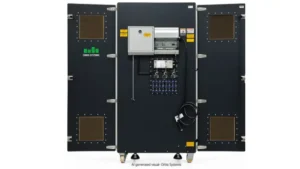
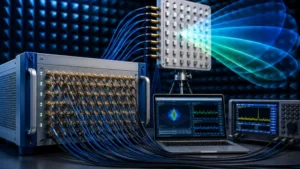
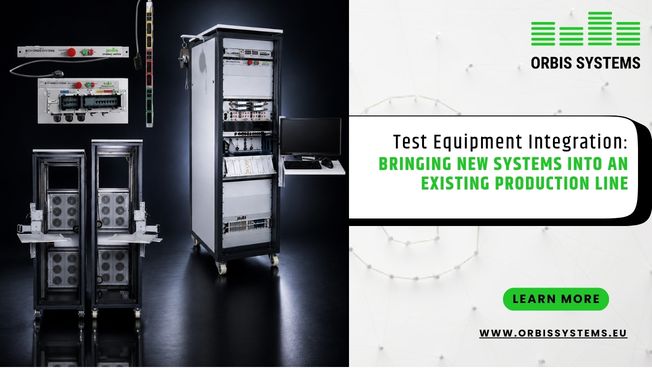
Orbis Systems works with manufacturers on engineering, test equipment integration, manufacturing integration, commissioning, and lifecycle support, drawing on RF, OTA, and 5G testing experience built up across telecom and electronics production environments. Their engineering teams bring together RF instruments, signal switching units, automation interfaces, and modular test racks into platforms designed to fit a given production line.
As manufacturing technology continues to change, manufacturing systems integrators also help organizations think ahead, shaping strategies that can accommodate future production requirements without unnecessary rework.
Looking for a manufacturing systems integrator with RF and automation expertise?
Connect with the Orbis Systems team to discuss your project.
Conclusion
Bringing new test equipment into a production environment that is already running takes more than unpacking hardware and plugging it in. Careful planning, engineering validation, commissioning, and coordination across disciplines all play a part in getting it right. Approaching production line integration this way allows manufacturers to complete a test system rollout with limited disruption while supporting production performance over the longer term.
Manufacturing technology will keep evolving, and facilities will need integration approaches that leave room for that growth without adding unnecessary complexity. Orbis Systems works with customers on test equipment integration projects built around existing production processes and day-to-day operational reliability.
Frequently Asked Questions
1. What is production line integration?
Production line integration refers to the process of bringing new equipment, automation, and testing capabilities into a manufacturing environment that is already in operation, with the aim of keeping every system working together smoothly. The intent is to limit disruption and support consistent production performance throughout the transition.
2. Why is a structured test system rollout important?
A structured test system rollout gives manufacturers the chance to plan installation, validation, commissioning, and operator readiness before equipment takes on a production role. This approach tends to lower implementation risk and makes the shift into regular manufacturing operations easier to manage.
3. What is involved in new equipment onboarding?
New equipment onboarding generally involves engineering reviews, installation, software integration, checks on communication interfaces, calibration, Factory Acceptance Testing, Site Acceptance Testing, commissioning, documentation, and operator preparation, all completed before production resumes.
4. Why is system integration testing necessary?
System integration testing confirms that hardware, software, automation controls, and communication interfaces work correctly together before production starts. This process helps catch issues early and supports more reliable manufacturing performance going forward.
5. How does automated system integration support manufacturing?
Automated system integration allows different production systems to share information and operate within one coordinated workflow. This tends to improve process consistency, support traceability, reduce manual steps, and make future production line upgrades easier to carry out.