
We are creative, ambitious and ready for challenges!

Categories
Blogs Resources

What Is a Twin Shield Box? A Practical Guide for High-Throughput RF Testing

Table of Contents

  1. The Need for Faster RF Testing
  2. Key Takeaways
  3. What Is a Twin Shield Box
  4. How a Dual RF Shield Box Enables High-Throughput RF Testing
  5. Why Parallel RF Testing Is Used in Modern Test Setups
  6. Important Features of a Twin Shield Box
  7. Using Twin Shield Boxes in Lab and Production Testing
  8. Achieving Faster RF Testing with Consistent Results
  9. Frequently Asked Questions

The Need for Faster RF Testing

RF testing is required to check how wireless devices perform before they are released or produced in large numbers. These devices include IoT modules, wireless sensors, communication units, and other RF-based products. Each device must be tested in a controlled RF environment to make sure the results are accurate.

However, as product volumes increase, testing one device at a time becomes slow. It also creates delays in development and production schedules. Because of this, many test teams look for ways to increase speed without reducing accuracy.

A dual RF shield box, often called a twin shield box, is one solution. It allows two devices to be tested at the same time while keeping both tests isolated. As a result, teams can achieve high-throughput RF testing without changing their test methods.
What Is a Twin Shield Box? A Practical Guide for High-Throughput RF Testing

Key Takeaways

  • A twin shield box contains two RF-isolated test chambers
  • A dual RF shield box supports parallel RF testing
  • Parallel testing reduces total test time without reducing accuracy
  • Proper shielding and absorber materials are critical

Twin shield boxes are suitable for lab and production use

What is a Twin Shield Box

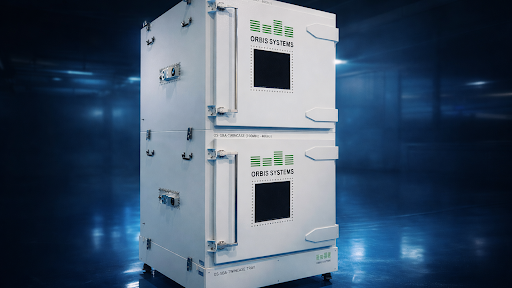
A twin shield box is an RF enclosure that contains two separate test chambers inside a single structure. Each chamber is individually RF-shielded. This prevents RF signals from entering or leaving the chamber during testing.

Each chamber works independently. It has its own shielding, absorber material, and connection points. Because of this design, two devices under test can be measured at the same time without interference.

Twin shield boxes are used for:

  • RF functional testing
  • Over-the-air measurements
  • Wireless performance validation

Since both chambers are isolated, test results remain stable and repeatable.

How a Dual RF Shield Box Enables High-Throughput RF Testing

The main purpose of a dual RF shield box is to reduce total test time. Instead of running the same test twice in sequence, both tests are run at the same time. This process is known as parallel RF testing.

When test steps are identical, running them in parallel cuts testing time almost in half. Therefore, high-throughput RF testing becomes possible without adding more test stations.

This is achieved through:

  • Separate RF shielding for each chamber
  • Independent signal paths
  • Consistent internal test conditions

Because of this separation, one test does not affect the other. Measurement quality stays the same, even when both chambers are used together.

Why Parallel RF Testing Is Used in Modern Test Setups

Parallel RF testing is widely used because it improves efficiency in a simple way. Instead of expanding lab space or buying more enclosures, teams can test more devices within the same setup.

As a result, several benefits are seen:

  • Faster completion of test batches
  • Better use of test equipment
  • Reduced waiting time between tests

In addition, operators do not need to change test procedures. The same test logic is applied to both chambers.

Because accuracy is not compromised, twin shield boxes are suitable for both development testing and production testing.

Important Features of a Twin Shield Box

Choosing the right twin shield box requires attention to a few technical details. These details affect test quality and long-term use.

RF Shielding and Isolation

Good shielding is essential. The enclosure must block outside RF signals and contain signals generated by the device under test. High isolation ensures that the two chambers do not interfere with each other.

Absorber Material Inside the Chamber

Absorber material reduces reflections inside the chamber. This creates a stable RF environment. Because of this, over-the-air measurements become more consistent.

Feed-Through Connections

Feed-throughs allow cables to pass into the chamber without breaking the shielding. These usually include:

  • RF connectors
  • Power lines
  • Data and control interfaces

Proper feed-through design helps maintain signal integrity.

Mechanical Stability

Devices must be placed in the same position for every test. Stable fixtures help achieve this. As a result, measurement repeatability improves.

Using Twin Shield Boxes in Lab and Production Testing

Twin shield boxes can be used in different stages of the product lifecycle. However, setup practices differ slightly depending on the environment.

Use in Development Labs

In development, engineers focus on performance and reliability. Twin shield boxes allow two prototypes to be tested under the same conditions. This makes comparison easier. It also saves time during repeated test cycles.

Use in Production Environments

In production environments, twin shield boxes are often integrated with test systems as part of RF shield box automation, helping reduce manual steps and maintain consistent test flow.

When combined with automated systems, test flow becomes smoother.

To maintain reliable results:

  • Cable paths should be clearly defined
  • Calibration should be checked at regular intervals
  • Chamber conditions should be verified before testing

Following these steps helps ensure stable operation over long test runs.

Achieving Faster RF Testing with Consistent Results

As testing demands increase, teams need solutions that improve speed without adding complexity. A dual RF shield box allows two devices to be tested at the same time while keeping both tests isolated. Through parallel RF testing, teams can reach higher throughput without sacrificing accuracy.

When used correctly, twin shield boxes support reliable testing in both lab and production environments. They help teams meet testing goals while maintaining clear and consistent results.

Frequently Asked Questions

1. What devices are typically tested in a twin shield box

Twin shield boxes are used to test wireless modules, IoT devices, communication units, and other RF-enabled products. The device must fit within the chamber and operate within the supported frequency range.

2. Does parallel RF testing affect test accuracy

No. When the chambers are properly isolated, each test runs independently. Because of this, measurement accuracy remains unchanged.

3. Can different devices be tested at the same time

Yes. Different devices can be tested in parallel if their test requirements are compatible with the chamber configuration. However, test planning is important to avoid signal conflicts.

4. Why is absorber material necessary inside the chamber

Absorber material reduces internal reflections. This helps create a controlled RF environment and improves consistency in over-the-air measurements.

5. How does a twin shield box improve repeatability

Repeatability improves because test conditions stay consistent. Shielding, device position, and internal layout remain the same across test runs.
Categories
Blogs Resources

Why IoT Devices Require RF Shield Boxes During Validation


Table of Contents

  1. Key Takeaways
  2. Why Controlled RF Testing Is Necessary
  3. What Is an RF Shield Box?
  4. How RF Shield Boxes Support Wireless Device Validation
  5. Applications of RF Shield Boxes in Testing
  6. How to Choose the Right RF Shield Box
  7. Best Practices for RF Isolation Testing
  8. The Importance of RF Shield Boxes in IoT Validation
  9. Frequently Asked Questions

IoT devices are now part of daily life. They are used in homes, offices, hospitals, factories, and smart cities. These devices depend on wireless signals to communicate with networks and with each other. Because of this, their performance must be tested very carefully before they are released into the market.

However, wireless signals do not travel in empty space. They move through environments that are already full of radio frequency signals and electromagnetic emissions. Wi-Fi routers, mobile phones, Bluetooth devices, and even industrial machines continuously produce radio signals. When testing is done in such open environments, these signals mix with the signals of the device being tested. As a result, the measurements become unreliable.

This is where RF shield boxes become important. An RF shield box creates a closed space that blocks outside radio signals. It allows engineers to test a device in a clean and controlled environment. In IoT device testing, this control is essential because it helps ensure that results are accurate and repeatable.

Moreover, RF shield boxes are a key part of wireless device validation. They help confirm that a device works correctly under stable conditions before it is tested in real-world environments. They are also vital for RF isolation testing, which checks how well a device performs without interference.

Companies such as Orbis Systems design RF shielding solutions that support precise RF and OTA measurements. Their focus is on controlled testing environments that help engineers obtain reliable and repeatable results.

In this blog, we will explain why RF shield boxes are needed, how they work, and how they improve the overall quality of IoT device validation.

Why IoT Devices Require RF Shield Boxes During Validation

Key Takeaways

  • RF shield boxes protect test setups from outside radio interference.
  • They improve the accuracy of IoT device testing.
  • They support stable and repeatable wireless device validation.
  • They are essential for effective RF isolation testing.
  • They help engineers trust their measurement results and reduce testing errors.

Why Controlled RF Testing Is Necessary

Wireless communication is sensitive by nature. Even a small change in the surrounding environment can affect signal strength and quality. Therefore, testing in an uncontrolled area often leads to unstable results.

For example, a nearby Wi-Fi router can increase background noise. A mobile phone tower can introduce strong signals. Even office equipment can create interference. Because of this, test readings may change from one moment to another.

As a result, engineers may find it difficult to understand whether a problem comes from the device itself or from the environment. This makes product development slower and less reliable.

In IoT device testing, stable conditions are needed to measure:

  • Signal strength
  • Sensitivity
  • Data speed
  • Antenna performance
  • Communication stability

Without control, these measurements cannot be trusted. Therefore, controlled RF environments become a basic requirement.

An RF shield box provides this control. It blocks external signals and creates a stable space for testing. Because of this, test results become consistent and meaningful.

Furthermore, when engineers perform RF isolation testing, they need to be certain that no outside signals affect the device. Only then can they properly evaluate how the device behaves on its own.

What Is an RF Shield Box?

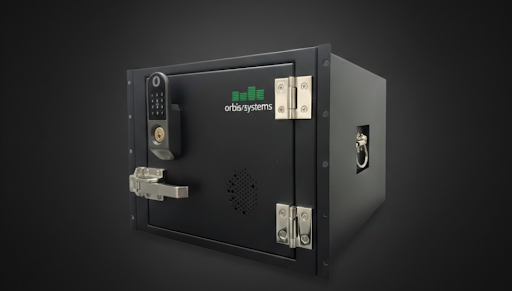
An RF shield box is a closed enclosure designed to block radio frequency signals. It is built using conductive materials that stop electromagnetic waves from passing through.

The main purpose of an RF shield box is simple:

  • Prevent outside signals from entering
  • Prevent signals from the device from escaping

This two-way protection creates a clean RF environment.

RF shield boxes are tested for their shielding effectiveness. This is measured in decibels (dB). A higher value means better isolation.

They also include:

  • RF connectors
  • Power and data feedthroughs
  • Special sealing systems
  • Absorbing materials inside

These features allow devices to be tested while still being connected to test instruments.

RF shield boxes come in many sizes. Some are small and used for single devices. Others are larger and support automated test setups.

Orbis Systems provides RF shielded enclosures that are used for RF and OTA testing applications. Their solutions are designed to support stable, repeatable, and controlled measurement environments.

How RF Shield Boxes Support Wireless Device Validation

Wireless device validation is the process of confirming that a device meets performance and quality standards. This includes testing its radio performance, connection stability, and data transfer ability.

Without isolation, validation becomes unreliable. Outside signals can hide problems or create false issues.

RF shield boxes help by:

  • Removing external RF noise
  • Creating a repeatable test environment
  • Supporting fair comparison between devices
  • Improving confidence in test results 

When a device is tested inside an RF shield box, engineers know that any change in measurement is caused by the device itself. This makes troubleshooting easier and faster.

In addition, RF shield boxes allow tests to be repeated under the same conditions. This is essential when comparing different versions of a product or checking consistency across production batches.

As a result, wireless device validation becomes more structured and reliable.

Applications of RF Shield Boxes in Testing

RF shield boxes are used in many stages of testing. Some of the most common applications include:

Antenna Testing

Antennas are very sensitive to nearby signals. Even small disturbances can change their measured performance. A shielded environment ensures that functional antenna performance measurements remain accurate and stable

Throughput and Sensitivity Testing

Data speed and signal sensitivity must be tested in a quiet RF environment. Shield boxes make this possible by removing unwanted noise.

OTA Performance Testing

OTA testing requires stable radio conditions. RF shield boxes provide a consistent space for evaluating real wireless behavior.

Pre-Compliance Testing

Before devices are sent to official test laboratories, they are often checked internally. Shield boxes help detect RF issues early. All these applications rely on proper RF isolation testing to ensure clean and accurate results.

How to Choose the Right RF Shield Box

Choosing the correct RF shield box depends on the testing needs.

Important points to consider include:

  • Size of the Device- The box must be large enough for the device and its test setup.
  • Shielding Performance- Higher shielding ensures less interference and cleaner measurements.
  • Frequency Coverage- The box should work across all frequency bands used by the device.
  • Connectivity- It must allow cables to pass without breaking the shielding.
  • Repeatability- The box should provide consistent results over time.

Orbis Systems offers RF shielded solutions designed to support controlled RF testing and OTA measurement environments. These solutions are built to maintain stable testing conditions.

Best Practices for RF Isolation Testing

To get the best results from RF shield boxes, engineers should follow certain practices:

  • Calibrate all instruments regularly
  • Keep the test setup unchanged between measurements
  • Record test parameters and conditions
  • Check the condition of seals and connectors
  • Avoid unnecessary movement of cables

These steps improve accuracy and maintain the quality of RF isolation testing.

The Importance of RF Shield Boxes in IoT Validation

As IoT technology grows, reliable testing becomes even more important. Devices are expected to work in complex and busy wireless environments. Therefore, their performance must be tested carefully before release.

RF shield boxes provide the foundation for this process. They create controlled conditions that remove uncertainty from measurements.


  • In IoT device testing, they ensure accurate results.
  • In wireless device validation, they ensure repeatability.
  • In RF isolation testing, they ensure clean and stable signals.

By using RF shield boxes, engineers gain confidence in their data and reduce the risk of product failure.

Orbis Systems supports this approach by providing RF shielded solutions that align with professional RF testing requirements.

Frequently Asked Questions

1. Why are RF shield boxes important for IoT device testing?

RF shield boxes block outside radio signals that can disturb measurements. Without them, test results may change every time a test is performed. With shielding, engineers can trust that results reflect only the device’s real performance.

2. How do RF shield boxes improve wireless device validation?

They provide a stable test environment. This makes it possible to repeat tests under the same conditions. As a result, validation data becomes reliable and useful for design decisions.

3. What is the difference between RF isolation testing and normal RF testing?

Normal RF testing may be affected by the surrounding RF environment. RF isolation testing performs the same measurements inside a shielded space to eliminate external interference, ensuring clean, controlled, and repeatable results.

4. Can RF shield boxes be used in automated testing systems?

Yes. Many RF shield boxes are designed to work with automated equipment. They include ports and connectors that allow smooth integration into test systems.

5. Do RF shield boxes replace official certification testing?

No. They are used before official testing. They help identify issues early so that devices are more likely to pass formal certification tests.