
We are creative, ambitious and ready for challenges!

Categories
Uncategorized

Preparing 5G & IoT Devices for Certification: A Practical RF Compliance Guide

Table of Contents

  1. Why RF Compliance Cannot Be Ignored
  2. What RF Compliance Testing Really Checks
  3. Understanding RF Regulatory Standards
  4. Preparing Devices Before Formal Testing
  5. Why a Controlled RF Test Environment Matters
  6. How the Wireless Certification Process Works
  7. Common Causes of Delay and How to Avoid Them
  8. Conclusion: Preparing With Clarity
  9. Frequently Asked Questions (FAQs)

Preparing 5G & IoT Devices for Certification: A Practical RF Compliance Guide

Key Takeaways

  • RF compliance testing confirms that a device uses radio frequencies correctly
  • RF regulatory standards differ by region and must be identified early
  • The wireless certification process follows defined steps and documentation rules
  • Controlled test setups improve measurement accuracy
  • Early preparation reduces retesting and approval delays

Why RF Compliance Cannot Be Ignored

Every 5G and IoT device communicates using radio signals. These signals travel through shared frequency bands that are used by many devices at the same time. Because of this, governments set clear rules to control how wireless products operate. These rules are defined through RF regulatory standards and checked through RF compliance testing.

If a device does not meet these rules, it may interfere with other equipment or fail to work reliably. In many cases, such a device cannot be sold at all. For this reason, manufacturers must understand the wireless certification process early in development. This guide explains that process in a clear and practical way.

What RF Compliance Testing Really Checks

RF compliance testing looks at how a wireless device behaves when it transmits and receives signals. The goal is not to judge performance quality, but to confirm that the device stays within allowed limits.

In simple terms, testing checks whether the device:

  • Transmits only on approved frequencies
  • Stays within allowed power levels
  • Does not create unwanted emissions
  • Remains stable during operation

For 5G and IoT products, this testing can be more detailed. Many devices support several bands and technologies. As a result, RF compliance testing is usually done in stages rather than all at once.

Understanding RF Regulatory Standards

Different regions apply different RF regulatory standards, even though the core intent is similar. Each region defines its own test limits, methods, and approval process.

Common regulatory systems include:

  • United States: FCC regulations for radio transmitters
  • European Union: CE marking under the Radio Equipment Directive, supported by ETSI standards
  • Cellular ecosystems: Industry certification programs such as GCF and PTCRB validate network compatibility for cellular devices

Because requirements vary, manufacturers must decide early which markets they want to enter. This decision affects test planning, design choices, and documentation work.

Preparing Devices Before Formal Testing

Pre-compliance preparation is an internal step that happens before a device is sent to a certified test laboratory. Although not legally required, it is widely used to reduce risk.

Typical preparation work includes:

  • Reviewing antenna placement and RF routing
  • Measuring basic transmit power and emissions
  • Checking frequency accuracy over time
  • Identifying areas close to regulatory limits

This stage helps teams understand how the device behaves in real conditions. As a result, problems can be fixed earlier, when changes are still manageable.

Why a Controlled RF Test Environment Matters

RF measurements are sensitive to surrounding signals. Nearby Wi-Fi routers, mobile phones, or base stations can affect results if testing is done in an open space.

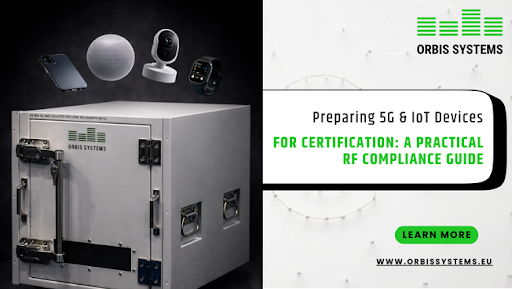
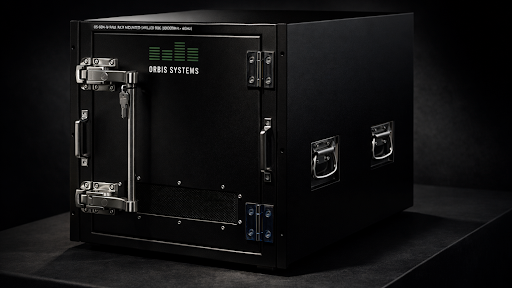
For this reason, controlled environments are commonly used. An RF shielded box blocks external radio signals and creates a stable space for testing. This allows engineers to repeat measurements and trust the results.

A controlled setup usually includes:

  • A shielded enclosure to isolate the device
  • Calibrated RF measurement instruments
  • Defined signal paths and connections

This type of environment supports consistent data collection during RF compliance testing.

How the Wireless Certification Process Works

After preparation is complete, the device enters the formal wireless certification process. This process follows a defined structure.

First, an accredited test laboratory is selected. Next, technical documents are submitted. These include schematics, block diagrams, and test instructions. After document review, the lab performs the required RF tests.

The process generally includes:

  1. Documentation review
  2. Execution of required tests
  3. Analysis of results
  4. Report generation and submission

If issues are found, corrections must be made and tests repeated. Only after successful completion can approval be granted.

Common Causes of Delay and How to Avoid Them

Delays often happen when problems appear late in the process. However, many of these delays can be avoided with careful planning.

Common causes include unclear requirements, missing documents, and late design changes. To reduce these risks:

  • Identify target regions early
  • Perform pre-compliance testing regularly
  • Keep detailed records of design versions
  • Align internal tests with lab methods

These steps help move RF compliance testing and certification forward without unnecessary stops.

Conclusion: Preparing With Clarity

Certification for 5G and IoT devices is a structured technical process. When teams understand RF regulatory standards, prepare devices carefully, and follow the wireless certification process step by step, the results are more predictable.

Early testing, clear documentation, and controlled measurement environments make certification smoother and more efficient. Preparation, rather than correction, remains the most effective approach.

Frequently Asked Questions

1. What is RF compliance testing, and why is it required?

RF compliance testing checks whether a wireless device stays within approved limits for frequency use, power, and emissions. It is required to prevent interference and ensure safe operation in shared radio environments.

2. How do RF regulatory standards affect development?

RF regulatory standards define limits that influence antenna design, RF layout, and component selection. Ignoring these limits early often leads to redesigns later.

3. What is the role of pre-compliance testing?

Pre-compliance testing helps teams identify potential failures before formal certification. It reduces the risk of test failure and shortens approval timelines.

4. Why is an RF shielded box important during testing?

An RF shielded box blocks external signals. This creates stable conditions so RF measurements are accurate and repeatable.

5. How long does the wireless certification process usually take?

The duration depends on device complexity and preparation quality. Devices that complete thorough pre-compliance testing usually move faster through certification.
Categories
Blogs Resources

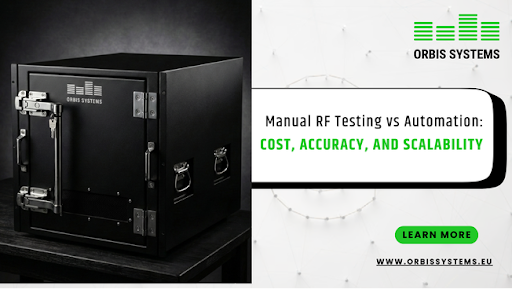
Manual RF Testing vs Automation: Cost, Accuracy, and Scalability

Table of Contents

  1. Why Manual RF Testing Needs a Closer Look
  2. Hidden Technical Issues in Manual RF Testing
  3. How Automation Helps Reduce RF Test Time
  4. Real RF Test Automation Benefits
  5. Why RF Test Automation Is the Practical Way Forward
  6. Frequently Asked Questions

Manual RF Testing vs Automation: Cost, Accuracy, and Scalability

Key Takeaways

  • Manual RF testing becomes slower as testing grows
  • Human involvement introduces variation and rework
  • Manual methods limit scalability and efficiency
  • Automation helps reduce RF test time
  • RF test automation benefits include better consistency and productivity

Why Manual RF Testing Needs a Closer Look

Radio frequency testing is a basic requirement when building and validating wireless devices. It helps teams confirm that a product works correctly and meets expected performance levels. Because RF behavior is sensitive, testing must be done carefully and in a consistent way.

In many engineering teams, manual RF testing is still common. Engineers connect cables, adjust instruments, and run measurements by hand. At the beginning, this approach seems simple and flexible. It also feels easy to control.

However, as projects move forward, the limits of manual RF testing start to appear. Test counts grow. Devices become more complex. Deadlines become tighter. Because of this, manual testing often creates delays instead of supporting progress.

This blog explains the true cost of manual RF testing and why automation is increasingly chosen to reduce RF test time while keeping test results reliable.

Why Manual RF Testing Becomes a Problem

Manual RF testing depends completely on people. Every test requires physical setup. Cables must be connected. Instruments must be configured. Results must be checked manually.

At a small scale, this works. However, as the number of tests increases, the time required also increases. Each new test adds more setup work. Over a full project, these minutes turn into hours and days.

Another issue is repetition. Engineers often repeat the same steps again and again. This work is slow and tiring. Over time, fatigue increases the chance of mistakes.

Errors are another cost. A loose cable or a missed setting can affect results. When this happens, tests must be repeated. This leads to rework and further delays.

There is also hardware wear. Cables and connectors are handled many times. As they wear out, signal behavior changes. This creates unstable readings and more troubleshooting.

Because of all this, manual RF testing often costs more time and effort than teams expect.

Hidden Technical Issues in Manual RF Testing

Manual RF testing also creates technical problems that are easy to overlook.

One issue is inconsistency. Different people may perform the same test slightly differently. Even small changes in how a cable is connected can affect the signal. Because of this, results may not match exactly from one test to another.

Signal stability is another concern. Manual switching can introduce changes in insertion loss and isolation. These changes reduce confidence in the measurements.

Scaling is also difficult. Modern devices support many bands and antennas. Testing every combination manually takes a long time. To save time, teams may reduce test coverage. This increases risk.

Equipment usage is also inefficient. Test instruments may sit idle while setups are changed. As a result, expensive tools are not used to their full capacity.

Over time, these issues slow development and make test results harder to trust.

How Automation Helps Reduce RF Test Time

Automation removes many of the steps that slow down manual RF testing. Instead of relying on physical actions, automated systems use controlled RF switching and predefined test flows.

First, automated switching routes signals in the same way every time. This improves consistency and removes the need to reconnect cables for each test.

Next, test sequences can be created in advance. Once started, tests run without constant attention. Because of this, engineers do not need to stay next to the system.

Automation also allows tests to run in parallel. Multiple measurements can be completed at the same time. This directly helps reduce RF test time.

Another important benefit is continuous operation. Automated systems can run during evenings or weekends. This increases output without increasing staff workload.

Overall, automation allows teams to test more, test faster, and test more consistently.

Real RF Test Automation Benefits

Automation brings practical benefits that go beyond speed.

One benefit is improved repeatability. Fixed signal paths reduce variation between test runs. Results become easier to compare.

Another benefit is fewer errors. When manual steps are removed, mistakes happen less often. This reduces rework.

Automation also helps engineers use their time better. Instead of setting up tests, they can focus on understanding results and solving problems.

As test needs grow, automated systems can scale. More tests can be added without adding the same number of people.

These RF test automation benefits support both development work and long-term testing needs.

Why RF Test Automation Is the Practical Way Forward

Manual RF testing has been used for many years. It works at small scale. However, as testing becomes more complex, manual methods create delays and inconsistency.

Automation offers a better approach. It helps reduce RF test time, improves repeatability, and supports reliable testing over time. By moving away from manual RF testing, teams can work more efficiently while maintaining confidence in their results.

FAQs

1. What is manual RF testing in simple terms?

Manual RF testing means engineers perform each test step by hand. They connect cables, change signal paths, configure instruments, and start measurements manually. Every action depends on a person.

Because people are involved at every step, results can vary. The process also takes more time as test volume increases.

2. Why does manual RF testing slow projects down?

Manual testing slows projects because setup work is repeated for every test. As the number of tests increases, this repeated effort adds up.

Mistakes also happen. When a test must be repeated, more time is lost. Over a full project, these delays become significant.

3. How does manual RF testing affect result reliability?

Manual RF testing makes consistency difficult. Small differences in cable connections or handling can change signal behavior.

Because of this, engineers may see differences in results that are not caused by the device itself. This makes analysis harder and reduces confidence.

4. How does automation help reduce RF test time?

Automation removes manual setup steps. RF switching and test control are handled by software.

Tests can run continuously and in parallel. As a result, more testing is completed in less time with the same coverage.

5. Is automation useful outside high-volume testing?

Yes. Automation is useful during development, validation, and long-term testing.

It improves consistency, reduces rework, and helps teams manage growing test demands without added complexity.

Categories
Blogs Resources

Automating OTA Testing: Essential Methods for Accurate MIMO & Beamforming Validation

Table of Contents

  1. Why OTA Testing Automation Is Important for Modern Wireless Systems
  2. What OTA Testing Automation Means in Practice
  3. Why 5G OTA Testing Is More Complex
  4. Practical Methods Used for MIMO and Beamforming Validation
  5. Core Elements of an OTA Test System
  6. Why Calibration and Repeatability Matter
  7. How Automation Supports Daily Testing Work
  8. What Consistent OTA Testing Automation Achieves
  9. Frequently Asked Questions

Automating OTA Testing: Essential Methods for Accurate MIMO & Beamforming Validation

Key Takeaways

  • OTA testing automation supports stable and repeatable wireless measurements
  • Automated testing is essential for validating MIMO and beamforming performance.
  • Controlled RF environments reduce unwanted signal effects
  • Calibration is required to maintain measurement accuracy
  • Automation improves consistency across test cycles

Why OTA Testing Automation Is Important for Modern Wireless Systems

Wireless devices today depend on antenna performance more than ever before. Technologies such as MIMO and beamforming are no longer optional features. They are part of how 5G systems are designed to work. Because of this, antenna testing must reflect how signals behave in real conditions.

OTA testing automation allows engineers to measure wireless performance through radiated signals instead of cables. This matters because antennas interact with their surroundings. When tests are automated, the same conditions can be repeated again and again. As a result, test results become more reliable and easier to compare over time.

What OTA Testing Automation Means in Practice

OTA testing automation means running over-the-air measurements using systems that do not rely on constant manual input. The device under test is measured through radiated signals. Automation controls movement, orientation, and test order.

Because of this, tests can be repeated without changes in setup. This is important because antenna performance is sensitive to position and direction. Even small differences can affect results. OTA testing automation helps remove these differences and supports stable measurements.

Why 5G OTA Testing Is More Complex

5G devices use multiple antennas at the same time. These antennas interact with each other. Cable testing cannot fully represent this behavior. Therefore, radiated testing becomes necessary.

In addition, antenna behavior changes across different frequencies. Performance also changes when the device is rotated or tilted. Because of this, testing must take place in a controlled space where external signals are blocked. OTA testing provides this control and supports accurate evaluation.

Practical Methods Used for MIMO and Beamforming Validation

Accurate OTA testing automation depends on a small number of essential methods that work together.

Controlled RF Environment

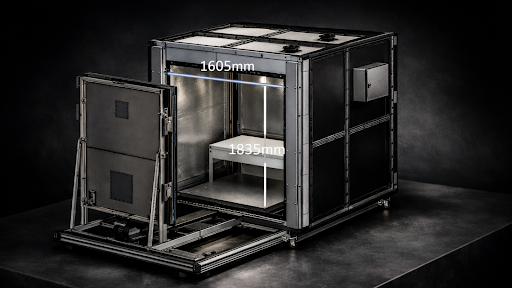
A shielded chamber blocks outside signals. This allows measurements to focus only on the device being tested. Because the environment does not change, results from different test runs can be compared directly. This is important when validating beam patterns and signal direction.

Precision Position Control

Automated positioning systems control how the device and antennas move during testing. This allows measurements to be taken at defined angles. As a result, engineers can see how performance changes with orientation. This is especially useful for beamforming evaluation.

Automated Test Execution

Test steps are defined in advance and executed automatically. This reduces the chance of human error. It also allows large test sequences to run without interruption. Over time, this improves efficiency and data consistency.

Core Elements of an OTA Test System

A standard OTA test system usually includes the following elements:

  • An RF-shielded chamber to isolate the test environment
  • Positioning equipment to control device and antenna movement
  • Measurement instruments connected to control software
  • Interfaces that allow remote test operation

Many test setups rely on a dedicated 5g ota chamber to keep test conditions stable and predictable during automated measurements.

Why Calibration and Repeatability Matter 

Calibration ensures that measurements remain accurate. Without calibration, test results can slowly drift. Therefore, calibration must be performed before testing begins and reviewed.

This approach supports confident validation and helps ensure wireless systems perform as expected before deployment.

Repeatability is just as important. When the same test is run multiple times, the results should match within acceptable limits. Automation helps achieve this by keeping setup conditions the same. As a result, engineers can trust the data they collect during OTA testing automation.

How Automation Supports Daily Testing Work

Automation makes daily testing easier to manage. Tests can be scheduled in advance. Measurements can run without supervision. Data can be collected in a consistent format.

In addition, automated testing allows the same test sequence to be used during different project stages. This helps teams track performance changes. Over time, this leads to better test control and clearer decision-making.

What Consistent OTA Testing Automation Achieves

Consistent testing leads to reliable results. OTA testing automation provides a structured way to evaluate MIMO and beamforming performance under controlled conditions. By combining stable environments, accurate positioning, and repeatable execution, testing teams can reduce costs.

Frequently Asked Questions

1. What is OTA testing automation?

OTA testing automation is the use of automated systems to perform over-the-air measurements. These systems control device position, test order, and measurement timing to ensure repeatable results.

2. Why is OTA testing needed for MIMO systems?

MIMO systems use several antennas at the same time. OTA testing is required to measure how these antennas interact through radiated signals rather than cables.

3. How does beamforming affect testing methods?

Beamforming directs energy in specific directions. OTA testing allows engineers to measure how well these directions are formed and maintained under different orientations.

4. What role does a 5G OTA chamber play?

A 5G OTA chamber blocks external signals and creates a stable RF environment. This allows accurate and repeatable radiated measurements during automated testing.

5. How does automation improve measurement reliability?

Automation reduces manual changes and setup variation. This ensures that tests follow the same steps each time, which improves consistency and trust in results.