
Table Of Content
- Can the Supplier Understand the Complete Test Requirement?
- Does the Supplier Provide Test Equipment Integration?
- What Level of Test Equipment Engineering Is Available?
- Can the Supplier Build Complete Test Systems?
- How Flexible Are the Test and Switching Solutions?
- How Is RF Signal Switching Implemented?
- How Does the Supplier Handle Future Changes?
- How Are Calibration and Measurement Integrity Managed?
- Can the Supplier Support Development Through Production?
- What Support Exists After Deployment?
- Looking Beyond the Initial Purchase
- Where the Test Strategy Leads Next
- Frequently Asked Questions

Choosing a supplier is not simply a matter of comparing instruments or purchase prices. In advanced electronics programs, the supplier becomes part of the engineering chain. The right partner should understand signal integrity, switching architecture, automation, calibration, mechanical constraints, and the production environment where the system will operate.
As wireless technologies become more complex, test environments also need to handle wider frequency ranges, higher data rates, multiple interfaces, and increasingly automated workflows. This makes supplier selection as much an engineering discussion as a procurement one. A capable partner should be able to support the complete test lifecycle, from early validation and prototype development through production deployment and future system upgrades.
The questions below help engineering and procurement teams evaluate suppliers before committing.
Key Takeaways
- Supplier selection should be evaluated on systems capability, not just the instrument catalog.
- Test equipment integration ties hardware, software, switching, and automation into one coordinated environment.
- Flexible test and switching solutions allow test paths to expand as product requirements change.
- Calibration, service, and future expansion plans are as important as the initial equipment purchase.
- A capable partner should support both prototype development and production deployment.
- Long term support, documentation, and spare parts carry as much weight as the initial hardware decision.
1. Can the Supplier Understand the Complete Test Requirement?
Start with the test objective, not the equipment list. A capable RF test equipment supplier should ask about frequency range, power levels, modulation formats, measurement uncertainty, throughput, DUT interfaces, environmental conditions, and automation. This shows whether the architecture supports the validation process.
A supplier that understands the complete requirement can identify dependencies between instruments, RF paths, fixtures, software, and the device under test before those dependencies become integration problems.
2. Does the Supplier Provide Test Equipment Integration?
Test benches rarely operate as isolated instruments.
Test equipment integration connects analyzers, generators, power supplies, switching hardware, controllers, fixtures, and software into one coordinated environment.
Ask whether the supplier can define communication protocols, timing, interlocks, data paths, and automated sequencing. A supplier capable of this kind of system design can demonstrate how components work together as one coordinated environment, rather than as separate laboratory instruments connected for convenience.
3. What Level of Test Equipment Engineering Is Available?
Equipment selection is only one part of a successful system.
Test equipment engineering should cover system architecture, RF path design, signal routing, fixture interfaces, control logic, software communication, and verification.
Ask who owns engineering decisions as the DUT or test method evolves. A supplier with strong engineering capability can identify technical challenges early in the process and adjust the architecture accordingly, before those challenges affect performance, timeline, or production readiness.
4. Can the Supplier Build Complete Test Systems?
A supplier may offer excellent instruments but still lack the capability to deliver complete test systems. Ask whether it can combine commercial equipment with custom hardware, fixtures, software, switching, and mechanical assemblies.
This matters when the platform moves from laboratory development into production. The system should be designed around the test process rather than forcing the process to fit a fixed collection of instruments.
5. How Flexible Are the Test and Switching Solutions?
RF test paths become complex with multiple bands, antennas, ports, or DUT configurations. Ask how the supplier handles test and switching solutions, including relay selection, insertion loss, isolation, power handling, switching speed, and channel scalability.
Leave room for additional paths without forcing a redesign. Well planned test and switching solutions also make it easier to expand a test platform as product requirements change.
6. How Is RF Signal Switching Implemented?
RF signal switching affects loss, isolation, repeatability, measurement accuracy, and test time. Ask whether the supplier evaluates connectors, cables, switch lifetime, control timing, and calibration.
RF signal switching should be treated as part of the measurement system, not as an accessory added after the primary equipment has been selected. Its electrical characteristics can directly influence the quality and repeatability of test results.
7. How Does the Supplier Handle Future Changes?
Technology programs change as bands, DUT revisions, and production volumes shift. Ask whether the supplier supports engineering and development after the initial delivery.
The key attributes of a future ready platform include software update capability, modular hardware changes, the option to add channels, and support for new fixtures without rebuilding the complete system. Together, these allow engineering and development teams to introduce changes without replacing the entire test infrastructure.
8. How Are Calibration and Measurement Integrity Managed?
Ask for a calibration strategy covering instruments, RF paths, switching networks, cables, fixtures, and reference standards. Clarify traceability, verification procedures, and measurement uncertainty.
This becomes particularly important because test output is used for design decisions, regulatory validation, quality control, and product release. As the system evolves over time, a robust calibration approach is what maintains measurement reliability.
9. Can the Supplier Support Development Through Production?
Development and production systems have different priorities. Development may call for flexibility and the ability to iterate, while production focuses on consistent output, uptime, safety, diagnostics, and cycle time.
Ask how the supplier transfers its architecture between these environments without losing measurement consistency. A well designed system should allow a smooth transition from engineering validation to production testing with minimal redevelopment.
10. What Support Exists After Deployment?
After installation, ask about the ongoing working relationship. Consider troubleshooting, spare parts, remote support, documentation, training, software maintenance, and response times.
The best engineering partner remains available after commissioning, when the system is expanded, modified, or challenged by a new requirement. Long term support can be just as important as the initial hardware selection.
Looking Beyond the Initial Purchase
The best supplier decision is rarely based on the lowest quotation. Consider how the architecture will perform throughout the product lifecycle. Strong test equipment integration capabilities can reduce the engineering burden between instruments and the application.
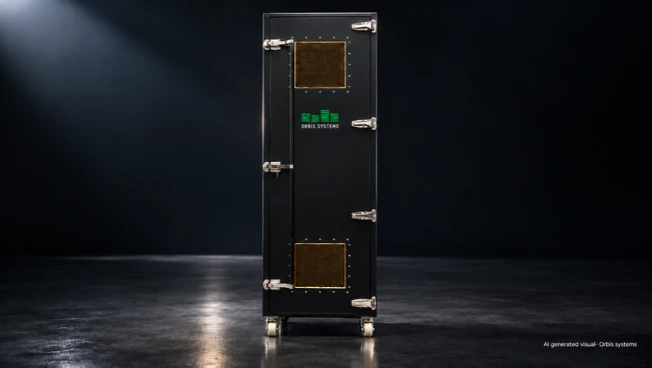
This engineering led approach is reflected in companies such as Orbis Systems, where RF testing and switching solutions are developed as part of a connected engineering problem rather than a simple equipment transaction. Work across test and measurement programs can connect equipment, switching, control, fixtures, and application requirements into one platform.
For advanced wireless and electronic products, the same principle applies to test equipment engineering. The supplier should translate requirements into a scalable architecture, validate critical RF paths, and support the transition from development to production.
A thoughtful selection process also makes future engineering and development easier. Modular architectures can accommodate new instruments, channels, fixtures, or revised software instead of forcing replacement.
Where the Test Strategy Leads Next
Selecting an RF test equipment supplier is ultimately a decision about engineering capability, not just equipment availability. The right partner should understand complete test systems, RF paths, switching, automation, calibration, and production realities.
This systems level perspective is aligned with the direction taken by companies such as Orbis Systems, where equipment selection is aligned with practical engineering requirements across complex test environments. For teams planning next generation RF validation or production testing, that perspective can separate a short term bench from a scalable platform.
Frequently Asked Questions
1. What should I look for in a supplier?
Look for RF expertise, integration capability, engineering support, calibration knowledge, automation experience, and long term service. Together, these determine whether the supplier can act as part of the engineering chain rather than simply as a provider of instruments.
2. Why is integration important?
Integration brings instruments, switching systems, software, fixtures, and control operations into one coordinated test setup. Without it, components often operate as isolated units that require manual effort to connect and maintain.
3. When is custom engineering necessary?
Custom engineering becomes valuable when the RF routing, throughput, fixture, automation, or interface requirements cannot be satisfied by standard off the shelf instruments. In these cases, a tailored architecture typically delivers better measurement consistency and lower long term rework.
4. How does RF switching affect test accuracy?
Measurement integrity can be affected by switch losses, isolation levels, connector quality, path repeatability, and calibration status. These factors should be evaluated as part of the broader measurement system rather than treated as secondary specifications.
5. Should the same supplier support development and production testing?
Where possible, yes. Continuity between development and production reduces redesign work and helps ensure that measurement methods remain consistent as the product moves from engineering validation into manufacturing.