How Orbis Systems Turned Climate Targets into a Success Story
In 2023, a clear requirement was set. Greenhouse gas emissions needed to be reduced by 50 percent by 2030, with 2019 as the reference year. It was an ambitious target aligned with evolving customer sustainability expectations. It called for more than good intentions. It required discipline, transparency and long-term thinking.
The journey toward this target began earlier. In 2021, a key customer strengthened its sustainability strategy. In 2022, suppliers were requested to begin reporting emissions through the CDP framework. By 2023, the formal 50 percent reduction target was communicated, with 2019 as the baseline.
At Orbis Systems, we did not see this as just another requirement. It felt like the right direction. Sustainability was already part of our conversations, our engineering decisions and our way of working. The message was simple. Measure properly. Act consistently. Improve continuously.
We started CDP reporting in 2022 and have expanded and improved it each year since. Today, several years ahead of schedule, we have achieved a 50 percent reduction in Scope 1 and Scope 2 emissions. What may have started alongside customer expectations has grown into something that reflects who we are as a company.

A Commitment Built on Measurement
Real progress begins with understanding where you stand.
For this reason, Orbis Systems reports its greenhouse gas emissions annually through the CDP framework. This includes Scope 1 emissions from direct operations, Scope 2 emissions from purchased electricity and heating, and Scope 3 emissions across the wider value chain.
Each year, our reporting has become more detailed and more accurate. Maintaining a consistent structure allows us to compare results year on year and see clearly where improvements are happening. Transparency is not only about sharing numbers. It is about learning from them and making better decisions.
Practical Improvements with Real Impact
Some of the most meaningful changes were not dramatic. They were practical and focused. At our Oulu facility in Finland, a lighting renovation project reduced electricity consumption by 24 percent. It may sound like a simple upgrade, but the impact was real. Lower consumption meant lower emissions and improved efficiency in daily operations.
In 2024, renewable electricity supplied by the landlord reduced electricity related emissions to zero. This was an important milestone in reducing Scope 2 emissions.
Heating, a significant factor in Nordic operations, was also addressed through an emission free district heating clause in our lease agreement. This allows Finland’s Scope 2 emissions to be brought close to zero.
These steps were not taken just to meet expectations. They were practical decisions that made sense for our business and for the environment. When responsibility and efficiency align, progress becomes natural.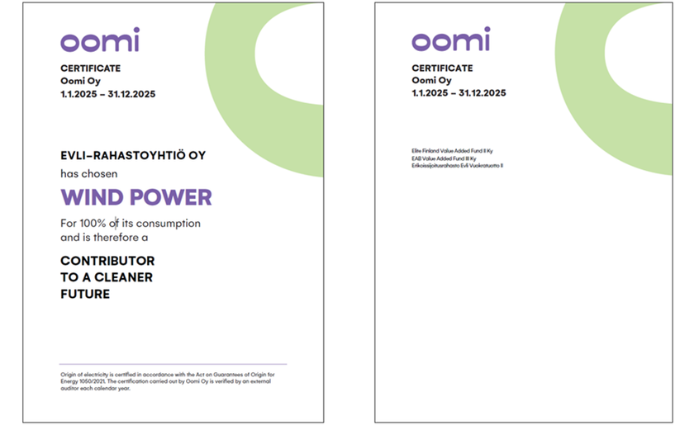
Delivering the Target Ahead of Time
Orbis Systems Finland had the highest emissions, so actions were primarily focused there. At the same time, improvements have also been made at other Orbis Systems sites, and the reduction in emissions from 292 tonnes to 120 tonnes is a joint achievement of the entire company.
But behind the numbers are consistent efforts. Infrastructure upgrades. Smarter energy sourcing. Thoughtful agreements. Continuous monitoring. Small improvements that added up over time.
Instead of waiting for one large transformation, we focused on steady progress. Sustainability became part of everyday decision making rather than a separate initiative.
The Next Chapter Scope 3
While Scope 1 and Scope 2 emissions show strong progress, our attention is now turning towards Scope 3. These emissions come from purchased goods and services, manufacturing processes, transport and supplier activities across the value chain.
This next phase is more complex. It requires closer collaboration with suppliers and stronger data integration. Ideally, emission information will be linked directly to materials and components within ERP systems, giving us clearer visibility across suppliers and product codes.
We are also exploring the use of EN 16258 to strengthen transport related reporting. Standardised methods improve transparency and allow better comparisons across the supply chain.
More Than a Target
Achieving a 50 percent reduction ahead of schedule shows that sustainability and operational excellence can move forward together. More importantly, it shows that climate responsibility at Orbis Systems is not just about responding to external expectations. It is about how we choose to operate. It influences how we plan investments, how we negotiate agreements and how we improve our facilities.
Turning a climate target into a success story required clarity, consistency and commitment from across the organisation. The milestone we have reached is significant, but it is not the end of the journey. With Scope 3 now in focus and collaboration across the value chain strengthening, the work continues. At Orbis Systems, sustainability is not defined only by a deadline. It is defined by the progress we make every day.